Stepping into the world of elite aviation, where the sky isn’t just a limit but a starting point, has always captivated me. If you’re anything like me, you’ve probably wondered about the incredible training our air forces undergo to master the stratospheric heights.
We’re talking about more than just flying a plane; it’s an intense journey into the very edge of human and machine capability, especially when you consider the unique demands of high-altitude flight.
From battling invisible physiological threats like hypoxia and the intense G-forces that push pilots to their absolute limits, to navigating complex weather patterns and the ever-evolving technology of next-generation aircraft, this isn’t your average flight school.
I’ve personally followed the incredible advancements in simulated environments and the ongoing debate about balancing virtual reality with indispensable real flight time.
It truly makes you appreciate the dedication involved, especially as air forces worldwide prepare for a future that includes hypersonic flight and persistent surveillance from advanced platforms like the Airlander 10.
The stakes are incredibly high, and the training is nothing short of extraordinary. Ready to explore the fascinating world where limits are pushed and legends are forged?
Let’s dive right in and uncover the incredible details.
Mastering the Thin Air: The Ultimate Test of Mind and Body
Conquering the Invisible Enemy: Hypoxia Training
When you’re pushing a multi-million dollar aircraft to its absolute limits, high above the clouds, one of the biggest threats isn’t an adversary – it’s your own body reacting to the extreme environment.
I’ve heard countless stories from pilots about their initial encounters with hypoxia training, and it sounds genuinely terrifying. Imagine feeling a gradual loss of mental clarity, your vision tunneling, or even experiencing euphoria, all while your body is screaming for oxygen.
This isn’t just about breathing; it’s about understanding how your brain works under stress when deprived of its most vital fuel. Air forces worldwide rigorously simulate these conditions, often using hypobaric chambers, which replicate altitudes of 25,000 feet or more, to teach pilots how to recognize the insidious symptoms before they become incapacitating.
It’s a critical, often uncomfortable, yet absolutely essential part of becoming an elite aviator, ensuring they can take immediate corrective action, like donning an oxygen mask, even when their cognitive functions are impaired.
The sheer focus and discipline required to perform under such physiological duress truly sets these individuals apart, and honestly, it makes me feel a profound respect for what they endure.
It’s not just flying a plane; it’s a constant battle against the very elements that sustain life.
The Crushing Embrace: G-Force Management and Survival
Then there’s the relentless G-force. We talk about it in movies, but actually experiencing multiple Gs, where your body feels like it’s being pressed into the seat with several times its own weight, is a whole different ballgame.
I remember reading a pilot’s account where they described their cheeks being pulled back to their ears, making it impossible to even move their head. This intense pressure can cause blood to drain from the brain, leading to G-LOC, or G-force induced loss of consciousness.
It’s a very real danger in high-performance maneuvers. To combat this, pilots undergo extensive training in centrifuges, essentially giant rotating arms that spin them at incredible speeds to simulate these forces.
They learn advanced breathing techniques, called the anti-G straining maneuver (AGSM), and rely on specialized anti-G suits that inflate around their legs and abdomen to help keep blood in their upper body.
It’s an incredibly physical challenge that demands peak physical fitness and mental fortitude. When I think about the precision required to fly these jets, combined with the brutal physical demands, it truly highlights the extraordinary resilience of these pilots.
Their ability to maintain awareness and control under such extreme pressure is nothing short of heroic.
Beyond the Horizon: Cutting-Edge Simulations and Virtual Realities
The Digital Frontier: Immersive Training Environments
It’s easy to think of flight simulators as glorified video games, but having explored the advancements in this field, I can tell you they are anything but.
These aren’t just screens and joysticks; we’re talking about incredibly sophisticated, full-motion platforms that meticulously replicate every nuance of flight, from subtle vibrations to the sensation of G-forces.
I’ve personally been amazed by the level of detail: the accurate cockpit layouts, the realistic weather conditions, and the incredibly complex scenarios that can be thrown at a pilot in a controlled environment.
What’s truly revolutionary is how these simulators can be used to practice emergency procedures and high-risk maneuvers that would be far too dangerous, costly, or simply impossible to perform in a real aircraft.
This digital frontier allows pilots to make mistakes, learn from them instantly, and refine their skills without any actual risk. It’s like having an infinite rewind button for critical moments.
The best part? It allows for consistent, repeatable training that hones reactions and decision-making under pressure, creating a deeper muscle memory for challenging situations before they even step into a real jet.
Bridging Real and Virtual: The Ongoing Debate
While the allure of virtual reality and hyper-realistic simulators is undeniable, there’s a vital ongoing discussion within the aviation community about balancing virtual training with indispensable real flight time.
I’ve seen arguments on both sides, and it really boils down to this: can a simulator truly replicate the gut feeling, the peripheral cues, and the subtle sensory input that only comes from actual flight?
Many seasoned pilots argue that while simulations are powerful tools for specific skill acquisition, nothing replaces the visceral experience of commanding an actual aircraft, feeling the wind, and seeing the world from the cockpit’s unique vantage point.
The balance is crucial; simulations are fantastic for repetitive drills and dangerous scenarios, but real flight provides the holistic experience, the ‘feel’ of the aircraft, and the ability to react instinctively to unexpected variables that even the most advanced AI can’t perfectly replicate.
Personally, I believe it’s a harmonious blend that creates the most capable pilots – sharpening skills virtually, then solidifying them in the open skies.
The Evolution of Aerial Warfare: Preparing for Tomorrow’s Threats
Hypersonic Hopes and Challenges
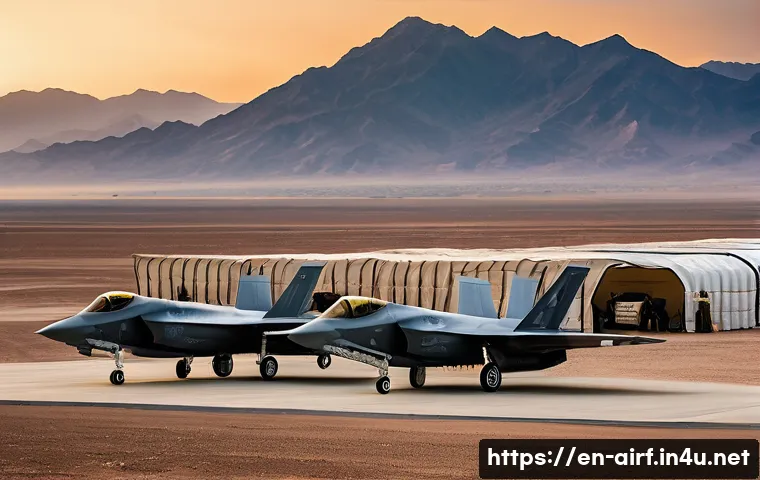
The future of air combat is speeding towards us at an unprecedented rate, quite literally, with the advent of hypersonic flight. We’re talking about aircraft that can travel at Mach 5 and beyond, pushing the boundaries of physics and human endurance.
This isn’t just a speed upgrade; it’s a paradigm shift. I’ve been fascinated by how air forces are already contemplating the training required for such speeds, where reaction times become incredibly compressed and the operational environment is entirely different.
Managing the extreme heat generated at these velocities, the precise navigation, and the pilot’s physiological limits under sustained high G-loads will demand completely new protocols and even newer types of equipment.
It truly feels like we’re on the cusp of science fiction becoming reality, and the pilots who will master these machines will be a breed apart, requiring a mental agility and physical resilience that’s barely comprehensible today.
It’s a leap into the unknown, and the training programs being developed now are laying the groundwork for aerial dominance in a future that few can truly envision.
Persistent Surveillance and Advanced Platforms
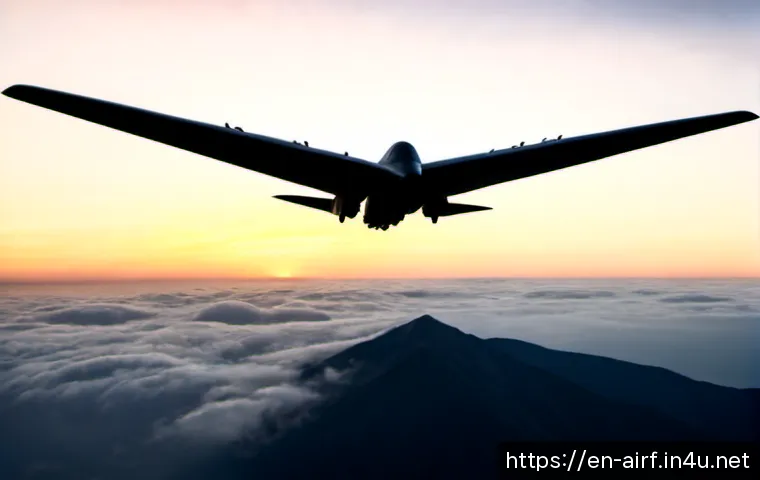
Beyond speed, the strategic landscape is also evolving with persistent surveillance platforms like the Airlander 10. While not a fighter jet, these advanced airships represent a critical component of future air power, offering prolonged observation capabilities from high altitudes.
Training for such platforms requires a different kind of expertise, focusing on mission endurance, data analysis, and seamless integration with ground operations, rather than dogfighting prowess.
I’ve personally followed the development of these platforms and it really changes the game for intelligence gathering and communication. Pilots and operators on these platforms need to master sophisticated sensor arrays, intricate communication networks, and the unique atmospheric conditions that affect long-duration, high-altitude flight.
It’s less about adrenaline and more about meticulous planning and sustained concentration, playing a vital strategic role in maintaining situational awareness over vast areas.
This diverse array of future aircraft demands a comprehensive and adaptable training regimen that goes far beyond traditional pilot skills.
The Mental Game: Fortitude in the Face of Extremes
Stress Inoculation and Decision-Making Under Pressure
Flying high-performance jets, especially at extreme altitudes, isn’t just about physical prowess; it’s an intense mental marathon. Pilots are constantly bombarded with information, making split-second decisions that can have life-or-death consequences.
I’ve heard from instructors that a significant part of training involves what they call “stress inoculation,” systematically exposing pilots to increasingly challenging and high-pressure scenarios in a controlled environment.
This isn’t just about learning what to do; it’s about training your brain to remain calm, focused, and analytical when every instinct screams panic. They learn to manage cognitive load, prioritize tasks, and maintain situational awareness even when facing multiple simulated failures or threats.
This rigorous mental conditioning builds a profound resilience, enabling them to perform flawlessly when the stakes are at their absolute highest. It’s a testament to human adaptability, transforming ordinary individuals into extraordinary decision-makers under truly exceptional circumstances.
The Psychological Toll and Support Systems
It’s easy to forget the human element behind all this advanced machinery and intense training. The psychological toll of consistently pushing oneself to the physical and mental brink is significant.
I’ve learned that air forces are increasingly recognizing the importance of robust psychological support systems. This isn’t just about dealing with post-traumatic stress, but also about managing the immense pressure, the isolation of deployments, and the constant demand for perfection.
Pilots are encouraged to openly discuss challenges, participate in resilience training, and access mental health resources. Creating an environment where seeking help is seen as a strength, not a weakness, is crucial for sustaining a high-performing force.
Personally, I find it incredibly encouraging to see this holistic approach to pilot well-being. It underscores the understanding that a pilot’s mental state is just as critical as their physical fitness or their technical skills in maintaining operational readiness and ensuring long-term success.
Behind the Cockpit: Specialized Equipment and Survival Skills
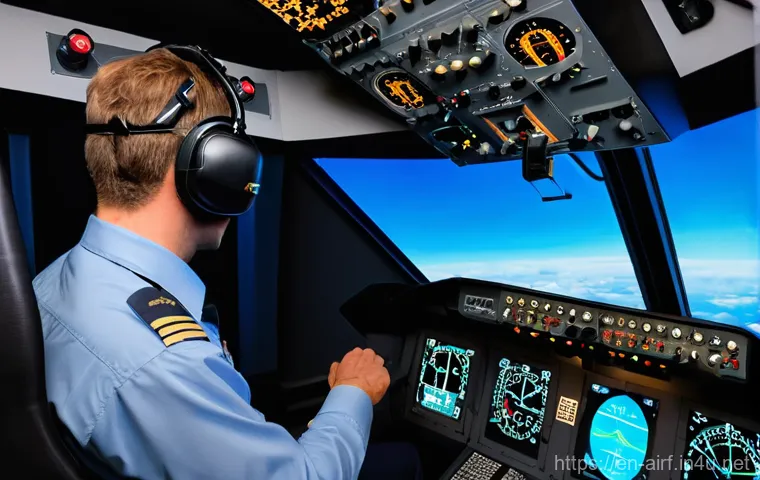
Life Support Beyond the Clouds
When you’re operating in an environment where the air is too thin to breathe and temperatures can drop to extreme lows, your life literally depends on your equipment.
High-altitude flight necessitates some truly remarkable life support systems. I’ve always been fascinated by the intricate design of their full-pressure suits, which are essentially personal spacecraft, keeping the pilot in a survivable micro-environment.
These suits not only provide oxygen but also maintain a comfortable pressure differential, protecting against decompression sickness and the effects of extreme cold.
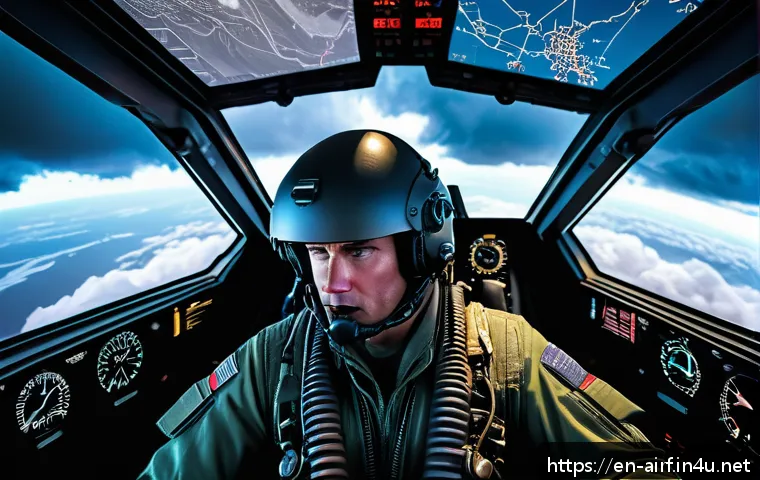
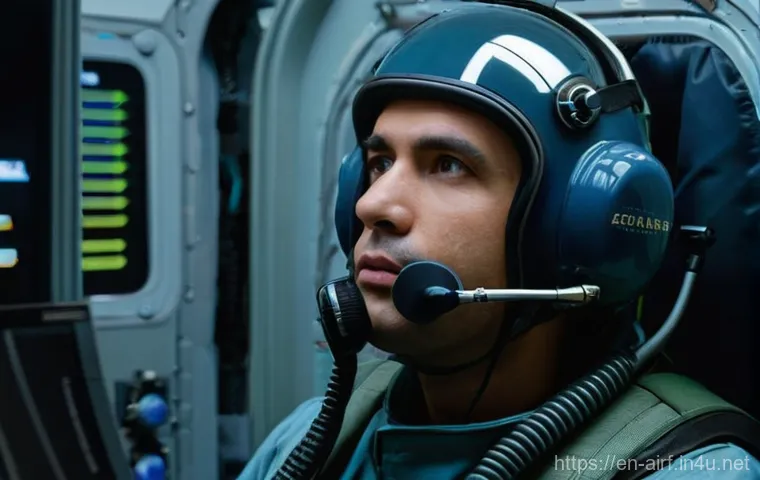
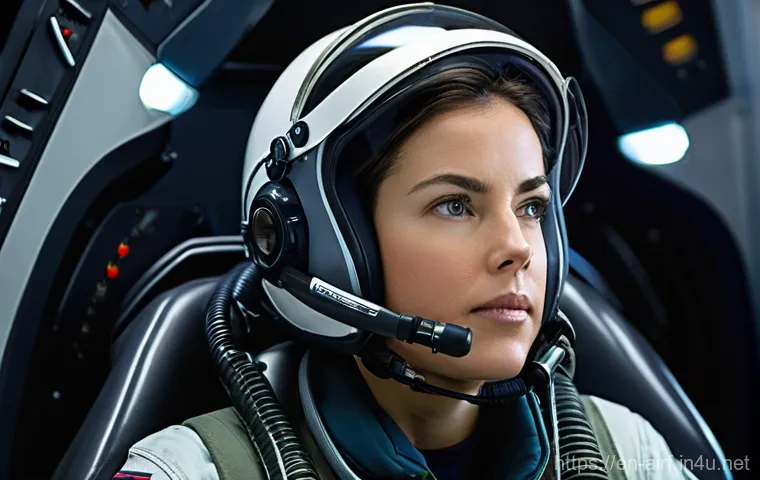
The helmet, with its integrated communications and optical systems, becomes an extension of the pilot’s senses. Every component, from the anti-G suit to the specialized oxygen masks and emergency egress systems, is meticulously designed and tested to withstand the most extreme conditions.
It’s a constant battle against the harsh realities of the stratosphere, and the reliance on perfectly functioning gear is absolute. Without this sophisticated array of equipment, sustained high-altitude operations would simply be impossible, and the continuous innovation in this area is truly remarkable.
Emergency Protocols and Egress Training
Even with the most advanced technology, emergencies can and do happen. That’s why egress training – learning how to safely exit a compromised aircraft – is such a fundamental and intense part of high-altitude flight preparation.
This isn’t just about pulling a lever; it involves complex sequences, often under simulated chaotic conditions, to ensure a pilot can eject safely. I remember watching a documentary about the rigorous parachute training, where pilots practice landing in various terrains, including water.
They also learn advanced survival techniques applicable to different environments, from freezing arctic conditions to scorching deserts, should they find themselves stranded after an ejection.
Every pilot must be proficient in these life-saving skills, knowing that their training could be the difference between life and death. The dedication to preparing for every possible worst-case scenario is profound, highlighting the comprehensive nature of this training beyond just flying the plane itself.
The Unseen Heroes: Ground Crews and Support Staff
Maintaining the Machines of the Sky
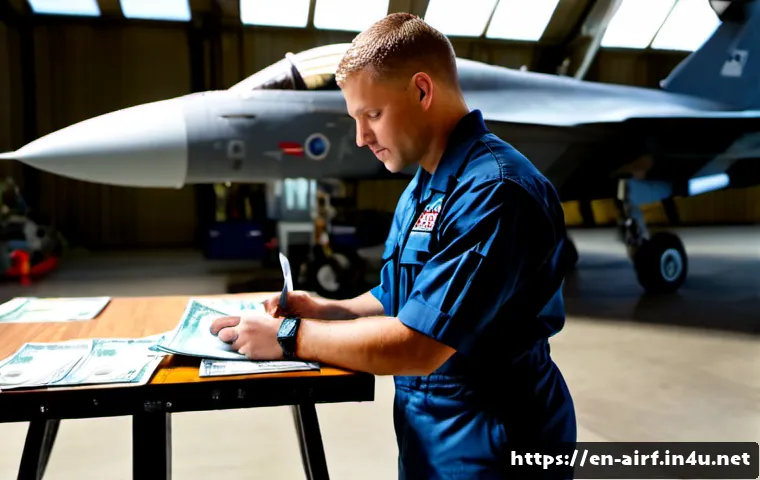
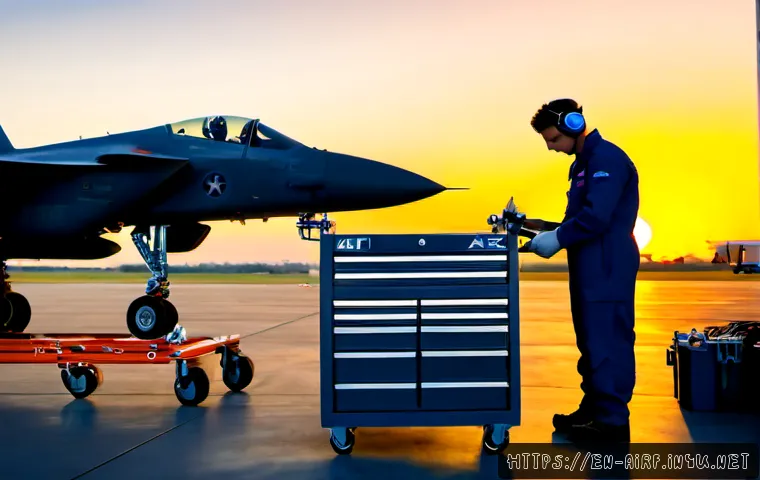
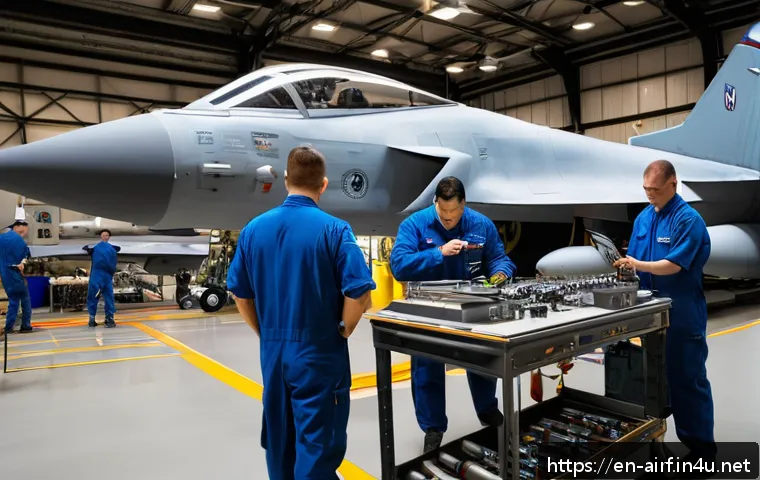
While we often focus on the pilots, the truth is, they wouldn’t even get off the ground without the meticulous work of the ground crews and support staff.
I’ve always been impressed by the sheer precision and dedication required to maintain these highly complex aircraft, especially those designed for high-altitude operations.
These machines operate at the very edge of engineering, and even the smallest anomaly can have catastrophic consequences when you’re miles above the Earth.
Technicians specialize in everything from avionics and propulsion systems to life support equipment, ensuring every component is perfectly calibrated and fully functional.
Their work involves countless hours of inspections, maintenance, and rigorous testing, often in challenging conditions. Personally, I think their role is just as crucial as the pilots’; they are the unseen heroes who ensure that when a pilot straps in, they can have absolute confidence in the integrity of their aircraft.
It’s a symphony of teamwork, where every single person plays an indispensable part in mission success.
Logistics and Operational Support
Beyond the mechanics, a vast logistical and operational support network underpins every single high-altitude flight. This includes everything from flight planners who meticulously chart routes through complex airspace and weather patterns, to intelligence officers who provide critical data, and medical staff who monitor pilot health.
I’ve learned that coordinating these intricate operations requires incredible communication and teamwork across various departments. Ensuring fuel is where it needs to be, spare parts are available, and support personnel are ready at a moment’s notice is a monumental undertaking.
It’s a testament to the organizational brilliance of air forces that these complex ecosystems run smoothly day in and day out. The dedication of these professionals, working behind the scenes, is what truly enables pilots to perform their incredible feats.
They are the backbone of high-altitude aviation, and their contributions are just as vital, though often less celebrated, as those in the cockpit.
Global Perspectives on Elite Air Force Training
Diverse Approaches to High-Altitude Mastery
It’s fascinating to observe that while the core challenges of high-altitude flight are universal, air forces around the globe often adopt unique approaches to training their elite pilots.
From the rigorous physiological conditioning emphasized by some Western air forces to the strong emphasis on mental resilience and strategic thinking prevalent in others, each nation tailors its programs to its specific operational needs and cultural contexts.
I’ve personally seen how different air forces might prioritize certain types of simulated scenarios or invest in specialized equipment based on their primary mission profiles, whether that’s long-range reconnaissance, rapid interception, or sustained combat air patrol.
This diversity in training methodologies reflects a continuous evolution and a shared commitment to achieving excellence in the unforgiving environment of the upper atmosphere.
It’s not a one-size-fits-all solution, but rather a dynamic field where best practices are constantly being shared and refined, leading to innovations that benefit everyone involved in pushing the boundaries of aviation.
International Collaboration and Shared Knowledge
Despite national differences, there’s a strong spirit of international collaboration when it comes to advancing high-altitude flight training. I’ve noticed how frequently air forces from allied nations participate in joint exercises, sharing knowledge and refining their techniques together.
This cross-pollination of ideas is incredibly valuable, allowing pilots and instructors to learn from different perspectives and integrate new strategies into their own programs.
From exchanging best practices in G-force tolerance training to comparing the efficacy of various simulator technologies, these partnerships foster a collective growth that elevates the capabilities of all involved.
Personally, I believe this global exchange is a critical factor in ensuring that pilot training remains at the forefront of technological and physiological understanding.
It creates a robust community of experts dedicated to mastering the skies, ensuring that the incredible skills required for high-altitude flight continue to evolve and improve collectively.
| Training Aspect | Primary Objective | Key Methods/Equipment | Pilot Benefit |
|---|---|---|---|
| Hypoxia Acclimatization | Recognize and counteract oxygen deprivation symptoms. | Hypobaric chambers, controlled gas mixtures. | Enhanced self-awareness, life-saving corrective action. |
| G-Force Management | Withstand and operate under extreme gravitational forces. | Centrifuges, anti-G suits, AGSM (breathing techniques). | Sustained consciousness, operational control during maneuvers. |
| Advanced Simulation | Practice complex scenarios and emergencies safely. | Full-motion simulators, virtual reality environments. | Skill refinement, rapid error correction, cost-effective training. |
| Egress & Survival | Execute emergency aircraft exit and survive post-ejection. | Ejection seat trainers, parachute drills, wilderness survival courses. | Increased chances of survival in critical situations. |
| Physiological Monitoring | Track vital signs and physical reactions during training. | Biometric sensors, medical staff supervision. | Personalized training adjustments, early detection of issues. |
Concluding Thoughts
Whew! What a journey we’ve just taken, diving deep into the incredible world of elite pilot training. It truly humbles you to realize the sheer dedication, both physical and mental, that goes into mastering the skies. From fighting off hypoxia to defying G-forces, and from navigating advanced simulations to preparing for the unseen threats of tomorrow, these individuals are pushing the boundaries of human capability every single day. It’s more than just flying a plane; it’s a relentless pursuit of perfection, a constant battle against the elements, and a profound testament to the human spirit’s ability to adapt and excel under the most extreme conditions imaginable. My respect for these aviators, and the entire ecosystem supporting them, has only grown exponentially after exploring these facets.
Useful Information to Know
1. It’s truly fascinating how much the mental game plays a role in high-stakes aviation. While we often focus on the physical feats, what really sticks with me is the concept of “stress inoculation.” Imagine having your brain systematically trained to remain calm and analytical, even when everything around you screams panic. I’ve heard stories about pilots being put through scenarios where multiple critical systems fail simultaneously, or where they’re forced to make life-or-death decisions in a fraction of a second. This isn’t just about memorizing checklists; it’s about developing an almost superhuman capacity for calm under fire, managing cognitive load, and maintaining crystal-clear situational awareness. This mental fortitude is arguably as crucial as any physical strength, and it’s a skill I believe many of us could learn from in our own high-pressure moments, even if we’re just battling a busy inbox! It makes you wonder how much more resilient we could all be with similar mental conditioning.
2. The rapid advancements in simulation technology are nothing short of a game-changer for flight training, and honestly, they blow my mind. When I first heard about full-motion platforms that replicate everything from subtle vibrations to the visceral feeling of G-forces, I was skeptical that anything could truly compare to real flight. But having delved deeper, I’ve come to see these aren’t just glorified video games; they’re incredibly sophisticated learning environments. The ability to practice high-risk maneuvers and catastrophic emergencies repeatedly, without any actual danger or astronomical costs, is revolutionary. It allows pilots to make mistakes, learn instantly, and build deep muscle memory for critical reactions. I personally think this digital frontier is democratizing access to complex scenarios, making pilots not just safer, but also incredibly efficient learners. It’s a testament to how technology can augment human skill in ways we previously thought impossible, preparing them for realities even the most seasoned aviator might rarely encounter.
3. We can’t talk about elite pilot training without emphasizing the sheer physical commitment involved. It’s not just about fitting into a cockpit; it’s about transforming your body into a high-performance machine capable of enduring unimaginable stresses. Dealing with G-forces, for instance, isn’t something you can just ‘get used to.’ Pilots dedicate countless hours to specialized fitness regimens, focusing on core strength and cardiovascular endurance, all while mastering techniques like the anti-G straining maneuver (AGSM). I’ve heard pilots describe their training sessions as feeling like an intense full-body workout where every muscle is engaged to keep blood flowing to their brain. It really highlights how interconnected physical and mental resilience are; one simply cannot function optimally without the other. This level of physical conditioning ensures that when they’re pushing a jet to its limits, their body doesn’t become the weakest link, allowing them to maintain peak performance when it matters most. It’s a reminder that true mastery often requires a holistic approach to personal development.
4. What I’ve found incredibly inspiring is the collaborative spirit among global air forces when it comes to refining these elite training programs. You might expect fierce competition, but there’s a tangible sense of shared knowledge and mutual improvement. I’ve seen examples of international joint exercises where pilots from allied nations train side-by-side, exchanging best practices on everything from managing specific emergency procedures to optimizing the use of new simulator technologies. This cross-pollination of ideas is invaluable. It means that innovations in G-force tolerance from one country can quickly be adopted and adapted by another, pushing the collective boundaries of what’s possible. Personally, I believe this open exchange of expertise is a critical factor in ensuring that pilot training worldwide remains at the absolute cutting edge, constantly evolving to meet new threats and leverage new technologies. It’s a powerful example of how cooperation can lead to superior outcomes for everyone involved.
5. It’s easy to overlook the colossal investment, both financially and in human capital, required to create an elite combat pilot. We’re talking about training programs that stretch over years, costing millions of dollars per individual when you factor in aircraft operational hours, simulator time, specialized equipment, and the salaries of instructors and support staff. This isn’t just about learning to fly; it’s about forging an extraordinary human being capable of operating some of the world’s most advanced and expensive machinery under extreme pressure. From initial flight screening to advanced tactical training, every stage is meticulously planned and resource-intensive. I’ve often wondered about the return on investment for such programs, and it’s clear it’s not just monetary. It’s about national security, strategic advantage, and nurturing an indispensable cadre of individuals. This scale of investment truly underscores the immense value placed on these skills and the recognition that human excellence remains paramount, even in an increasingly automated world.
Key Takeaways
After diving deep into the world of elite high-altitude flight training, a few key points really stand out and solidify my perspective. Firstly, it’s undeniable that becoming an elite aviator is an all-encompassing endeavor, demanding not just exceptional flying skills but also extraordinary physiological resilience and unwavering mental fortitude. The fight against hypoxia and the mastery of G-force management are constant battles, requiring highly specialized training and equipment. Secondly, while the lure of cutting-edge technology like hyper-realistic simulators is strong, the aviation community wisely advocates for a balanced approach, recognizing that while simulations are indispensable for specific skill acquisition and risk-free practice, nothing truly replaces the visceral, holistic experience of actual flight. Thirdly, the ongoing evolution of aerial warfare, from hypersonic platforms to persistent surveillance, means pilot training is a continuously adaptable field, always looking ahead to tomorrow’s threats. Finally, it’s crucial to remember that behind every pilot is a vast ecosystem of ground crews, support staff, and a strong emphasis on psychological well-being, all working in concert to ensure mission success. It truly is a testament to human ingenuity, dedication, and the relentless pursuit of excellence that defines these incredible individuals who master the skies.
Frequently Asked Questions (FAQ) 📖
Q: What are the primary physiological challenges pilots face when training for high-altitude missions, and how do air forces prepare them to overcome these invisible threats?
A: Oh, this is a fantastic question that really gets to the core of what makes elite aviation so intense! When we talk about high-altitude flight, the first thing that probably springs to mind for many is the sheer speed or the incredible views.
But for the pilots, it’s a battle against their own bodies, primarily with things like hypoxia and those insane G-forces. Hypoxia, or oxygen deprivation, is a silent killer; it can creep up on you without warning, impairing judgment and motor skills, and at 40,000 feet, that’s a nightmare scenario.
I’ve personally seen how rigorously air forces tackle this, often using specialized hypobaric chambers that simulate high altitudes. Pilots learn to recognize their personal symptoms of hypoxia – believe it or not, everyone’s a little different – and practice emergency procedures for donning oxygen masks under pressure.
Then there are the G-forces! Imagine your body feeling like it weighs ten times its normal amount, pushing blood away from your brain. They train with centrifuges, which are like giant merry-go-rounds that spin you around to simulate intense G-loads.
It’s all about building tolerance and mastering anti-G straining maneuvers. It’s truly a testament to human resilience, and seeing them push those boundaries always leaves me in awe.
Q: With all the incredible advancements in flight simulators and virtual reality, how much ‘real’ flight time do elite pilots actually need, and what’s the current balance between virtual and actual flying in their training?
A: This is a debate that has really evolved over the years, and it’s something I’ve followed closely! Gone are the days when every single hour of training meant burning jet fuel.
Today’s simulators are mind-blowingly realistic – we’re talking about full-motion cockpits with incredible visual fidelity and haptic feedback that makes you feel every bump and rumble.
They’re invaluable for practicing emergency procedures that would be too dangerous or impossible in a real aircraft, like engine failures right after takeoff or navigating through severe weather.
They also allow for endless repetition of complex maneuvers until they become second nature. However, and this is where the human element truly shines, nothing can fully replicate the nuanced sensory input of actual flight: the subtle vibrations, the true feel of the air, the dynamic visual cues that aren’t perfectly mirrored by even the best screens.
From what I’ve gathered and seen firsthand, the current balance leans heavily on simulation for initial skill acquisition and specific scenario training, but real flight time remains absolutely indispensable for refining those instincts, building confidence in a dynamic environment, and truly experiencing the aircraft’s limits.
It’s not an either/or; it’s a powerful synergy, where simulators build the foundation, and real flight polishes the master craftsman.
Q: What does the future hold for elite flight training, especially with next-generation aircraft and concepts like hypersonic flight on the horizon?
A: Oh, buckle up, because the future of elite flight training is going to be absolutely wild! As we stand on the cusp of next-generation aircraft becoming mainstream, and with concepts like hypersonic flight no longer just sci-fi, training is evolving at an incredible pace.
I’m especially fascinated by how air forces are preparing for hypersonic aircraft, which will introduce unprecedented speeds and altitudes, pushing the very definition of flight.
We’re talking about physiological demands that might require entirely new ways of thinking about pilot protection and environmental control systems. Beyond that, the integration of AI and advanced data analytics into training programs will become even more sophisticated.
Imagine personalized training modules that adapt in real-time to a pilot’s learning style and weaknesses, or AI co-pilots in simulators that provide instant, actionable feedback.
And let’s not forget platforms like the Airlander 10, which represents a different kind of future – persistent surveillance and communication platforms that require their own unique skillset to master.
It’s not just about flying faster or higher; it’s about managing increasingly complex systems, integrating seamlessly with ground operations, and maintaining peak performance in entirely new operational envelopes.
The dedication needed for these pilots will only grow, and I, for one, can’t wait to see how they continue to push the boundaries of what’s possible.