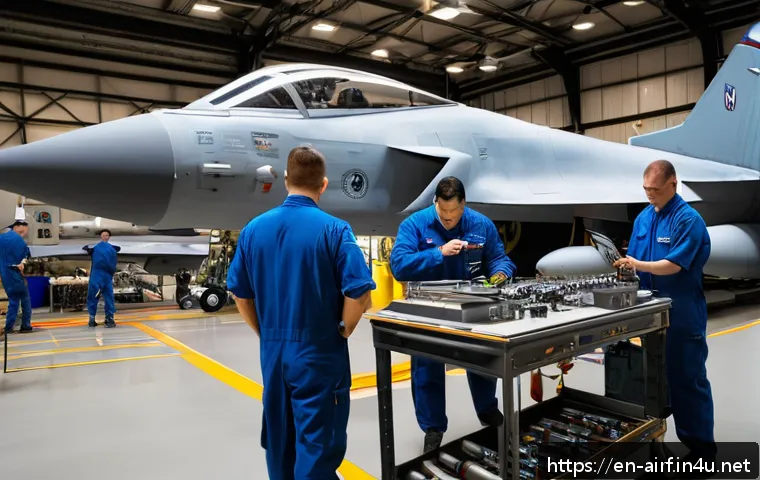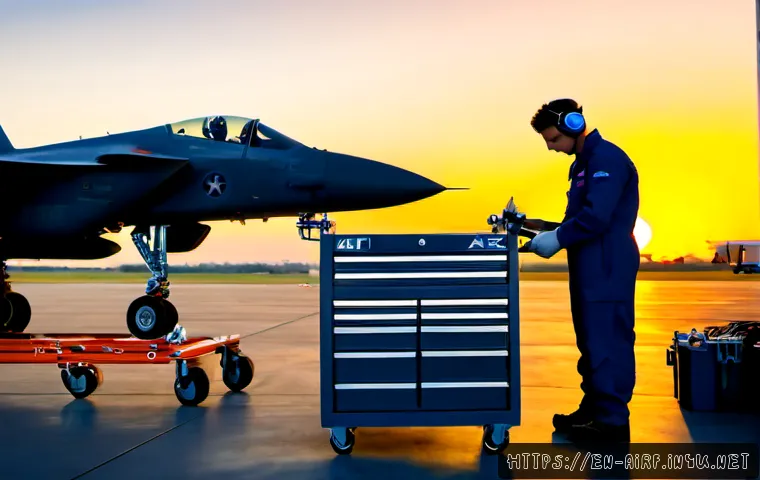
Air Force maintenance airmen do not work from one universal equipment list. Their gear is shaped by their specialty, aircraft, mission, duty location, and the task at hand.
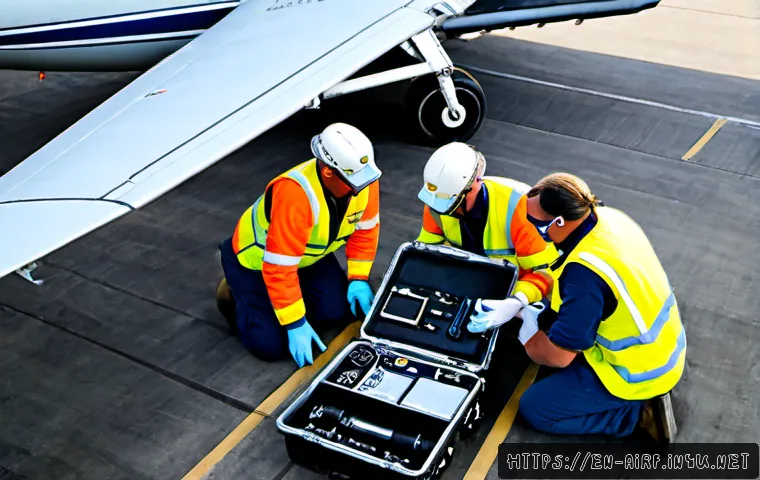
Most maintenance environments rely on a mix of personal protective equipment, task-specific tools, controlled tool-accountability items, technical data, and inspection or diagnostic equipment.
Some items may be individually issued, while others are managed through a shop or unit tool room. The reliable way to identify what is needed is to follow approved maintenance instructions and local unit requirements.
What Determines a Maintenance Airman’s Equipment
An Air Force maintenance airman’s equipment is determined by the work they are authorized to perform. The required items can differ by Air Force Specialty Code, aircraft platform, duty location, and mission. A task involving routine access, inspection, troubleshooting, or repair may call for different equipment even within the same maintenance section. The approved procedure for the specific job remains the guide, rather than a general online checklist.
Specialty, aircraft, and mission differences
Different specialties work with different systems, components, and maintenance conditions. An airman assigned to one aircraft platform may need tooling or diagnostic equipment that is not used on another platform. Mission demands and work locations can also affect the equipment required for a shift. Equipment for a particular base, deployment, aircraft, or maintenance schedule should be confirmed locally.
Individual issue versus shared shop equipment
Some equipment may be issued to an individual, while other items are held by a unit tool room or shared shop. Hand tools, specialty tooling, test equipment, and protective gear can be managed differently depending on the unit. Exact issue policies, approved brands, quantities, and replacement procedures vary and require local verification. Airmen should not assume that an item belongs in a personal kit simply because it is used during a task.
Core Personal Protective Equipment
Personal protective equipment, commonly called PPE, is selected for the hazards of the workplace and the specific maintenance task. It is not a fixed uniform set for every job. The correct PPE helps protect personnel while allowing them to perform authorized maintenance in accordance with local procedures.
Hearing, eye, hand, and respiratory protection
Maintenance areas may require hearing, eye, hand, or respiratory protection when the task and surrounding hazards call for it. The type of protection depends on the job being performed and the conditions in the work area. PPE should be selected and used according to approved guidance, not based on convenience or personal preference.
Protective clothing for task hazards
Protective clothing may also be required when a task presents specific hazards. Requirements can change between inspections, repairs, and other maintenance actions. Before starting work, personnel should check the applicable instructions and local requirements to ensure the selected clothing and protective gear match the task.
Common Tool and Tool-Control Categories
Maintenance work commonly uses task-specific hand tools along with specialty tooling. Tool selection is tied to the authorized procedure and the equipment being serviced. Using an incorrect, unapproved, or unaccounted-for tool can create safety and maintenance concerns.
Hand tools and specialty tooling
Hand tools support many routine maintenance actions, while specialty tools may be needed for particular components, systems, or aircraft tasks. The exact contents of any tool kit vary by specialty and unit. A maintainer should use the tools identified or permitted by the approved maintenance instructions and obtain shared equipment through the established local process.
Tool accountability and foreign object damage prevention
Tool accountability is a central part of maintenance operations. Controlled procedures help confirm that tools are tracked before, during, and after work, reducing the risk that an item is left where it could cause foreign object damage. Tool-control supplies and local check-in or check-out practices support this process. Accountability requirements should be followed even when a task appears small or routine.
| Equipment category | Primary purpose | What affects the requirement |
|---|---|---|
| Personal protective equipment | Protection from task and workplace hazards | Hazards present and approved task guidance |
| Hand and specialty tools | Authorized maintenance actions | Specialty, aircraft, component, and procedure |
| Test and diagnostic equipment | Inspection, measurement, troubleshooting, and repair | System being evaluated and required maintenance action |
| Technical data and tool-control items | Procedure compliance and accountability | Local process and approved maintenance documentation |
Inspection, Test, and Technical Resources
Inspection, troubleshooting, and repair can require test, measurement, and diagnostic equipment. These resources help maintainers evaluate a condition, take required measurements, and support an authorized repair decision. They are used in conjunction with the applicable maintenance procedure, not as a substitute for it.

Diagnostic and measurement equipment
Test and diagnostic equipment may be required when a maintenance action involves inspection or troubleshooting. The specific equipment depends on the aircraft, system, and task. Availability, custody, and use may be controlled at the unit level, so personnel should follow local access and accountability procedures.
Approved technical data and maintenance documentation
Approved technical data and maintenance instructions direct authorized work procedures. They identify the steps, precautions, and equipment relevant to the job. Maintenance documentation also supports an accurate record of completed work. When equipment guidance is unclear, the approved data and the supervisory chain are the appropriate references.
How to Verify the Correct Equipment List
The most accurate equipment list comes from the local unit and the approved instructions for the assigned task. Broad lists can be useful for understanding equipment categories, but they cannot replace current unit requirements. This matters because local tool-room practices, aircraft assignments, and mission needs can change what is available or required.
Checking local unit and supervisor requirements
Start with the technical data and maintenance documentation associated with the job. Then confirm local requirements with the supervisor, work center, or tool-control process. This approach clarifies whether an item is individually issued or shared, which PPE applies, and what test equipment is authorized. It also avoids relying on outdated lists or assumptions about another unit’s practices.
Closing Thoughts
Air Force maintenance equipment is best understood as a controlled set of resources matched to authorized work. PPE, tools, test equipment, and technical data each serve a different role, but all are connected to safe and accountable maintenance. A general list can describe the categories, while local procedures determine the actual items needed. For any specific assignment, current unit guidance is the final check.
Useful Information to Keep in Mind
Equipment needs vary by specialty, aircraft, mission, and location. PPE is based on hazards and the task. Tools may be personal issue, shared shop property, or tool-room controlled. Approved technical data guides the work and helps identify the required equipment.
Key Points Summary
There is no single confirmed equipment list for every Air Force maintenance airman. The correct list must be verified through approved maintenance instructions, local unit procedures, tool-control requirements, and supervisor guidance.
Frequently Asked Questions
Q1. What tools are issued to an Air Force maintenance airman?
A1. The exact tools vary by Air Force Specialty Code, aircraft platform, unit, and assigned tasks. Some tools may be individually issued, while others may be stored in a shared shop or unit tool room. Local requirements and approved maintenance instructions should be checked for the current list.
Q2. Do Air Force aircraft maintainers buy their own tools?
A2. Whether a maintainer personally receives, accesses, or is expected to provide a particular item depends on unit-level procedures. The available information does not establish a universal rule. Confirm the local tool issue and replacement process with the unit or supervisor.
Q3. What PPE do Air Force maintenance personnel need?
A3. PPE is selected according to workplace hazards and the maintenance task. It may include hearing, eye, hand, respiratory, or protective clothing measures when required by the approved guidance. The specific PPE needed for a job should be verified before work begins.