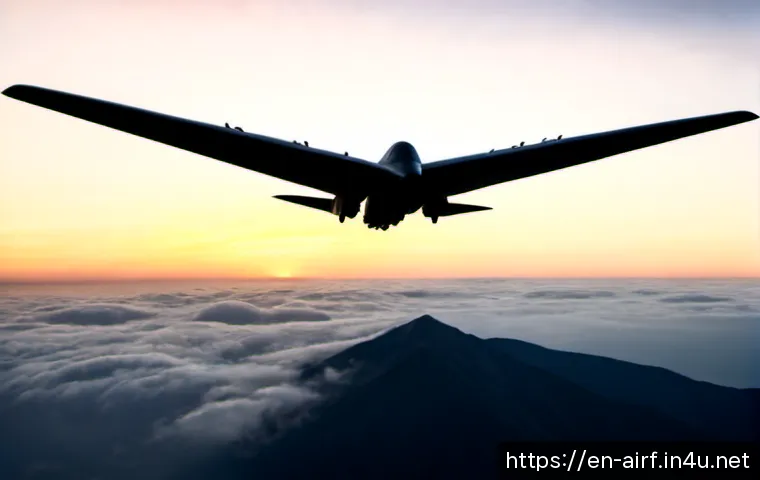
Air force bombers are commonly grouped by what they are built to do: strategic bombers are intended for long-range attacks on major targets, while tactical bombers and strike aircraft support shorter-range operations.
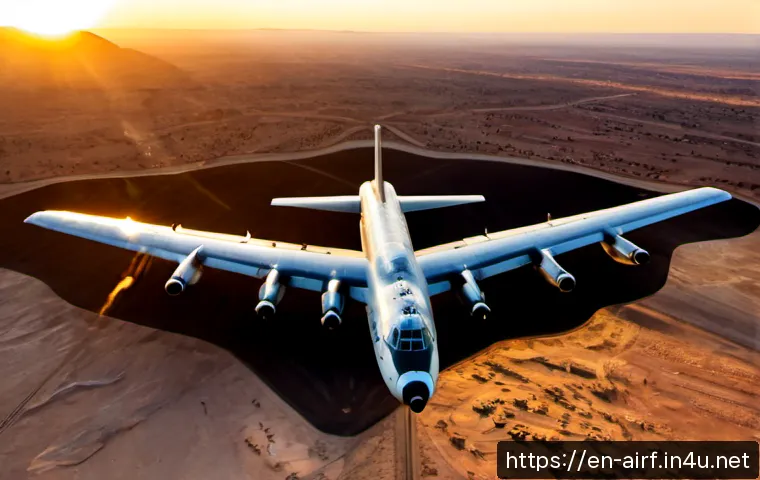
The boundary is not always sharp, because modern multirole fighters can also carry out bombing missions while performing air-to-air or reconnaissance tasks.
Range, payload, targeting method, and military doctrine all influence the label applied to an aircraft. A bomber may carry conventional bombs, guided weapons, missiles, or other approved weapons depending on the mission and national policy.
Understanding the mission behind the aircraft is usually more useful than relying on its name alone.
What Makes an Aircraft a Bomber?
An aircraft is generally described as a bomber when its primary or planned mission includes delivering weapons against ground or maritime targets. The term does not refer to one fixed airframe shape or size. Instead, it usually reflects the aircraft’s mission, its ability to carry payloads, and the distance at which it can operate. Some aircraft are designed from the outset for deep-strike work, while others are adapted to deliver weapons as part of a wider combat role.
Mission, range, and payload
Mission is the main distinction. A long-range aircraft intended to strike important military, industrial, or command targets far from its operating base fits the strategic bomber category. An aircraft supporting forces in a battlefield or regional setting is more often called a tactical bomber or strike aircraft. Payload matters as well, but a large payload alone does not automatically make an aircraft strategic. The intended target set, operating range, and role in an air campaign provide the fuller picture.
Why classifications overlap
Aircraft classifications can overlap because air forces organize missions differently and revise their doctrine over time. A platform may be called a strike aircraft in one service and be used in a bombing role in another. Technology also blurs older categories: precision-guided weapons allow aircraft with smaller payloads to attack selected targets effectively. Labels are useful shorthand, but they should not be treated as permanent or universal definitions.
Strategic Bombers
Strategic bombers are designed for long-range missions against high-value targets that can affect an opponent’s broader military capacity or command structure. Their role is associated with deep-strike operations rather than immediate support for forces near the front. They may operate over great distances, supported by basing arrangements and planning suited to long-range air power.
Long-range deterrence and deep-strike missions
A strategic bomber can contribute to deterrence by demonstrating that an air force can hold distant major targets at risk. In a conflict, the same general capability may be used for deep strikes against military, industrial, or command-related objectives. Exact mission assignments, readiness levels, and targeting plans are not always public and can change with circumstances. The important point is that strategic bomber missions are defined by their reach and intended strategic effect.
Conventional and nuclear delivery roles
Depending on national policy and mission requirements, bombers may carry conventional bombs, precision-guided munitions, missiles, or nuclear weapons. Not every strategic bomber has the same weapons role, and country-specific nuclear missions are subject to national decisions and may involve classified arrangements. It is therefore safer to distinguish between the aircraft’s potential mission category and any claimed current loadout for a particular unit or operation.
Tactical Bombers and Strike Aircraft
Tactical bombers and strike aircraft generally operate at shorter ranges than strategic bombers. Their missions are tied to battlefield conditions, regional campaigns, or the need to attack targets that directly affect ongoing operations. They can be central to air power even when they do not have intercontinental-style reach.
Battlefield interdiction and close support
Battlefield interdiction focuses on disrupting forces, equipment, movement, or support activity that influences the fight. Close support involves attacks intended to assist friendly forces in the operational area. These missions demand close coordination, timely information, and weapon choices suited to the target and surrounding conditions. The aircraft’s exact role can shift during a campaign, so “tactical bomber” often describes a mission set more than a rigid category.
Maritime and regional strike missions
Strike aircraft can also be used in maritime or regional missions, where the objective may be to engage targets connected to operations at sea or within a defined theater. Range remains important, but so do access to bases, available support, and the air force’s regional priorities. A nation focused on nearby defense needs may place greater value on flexible regional strike aircraft than on dedicated long-range bombers.

Multirole Fighters Used for Bombing
Modern multirole fighter aircraft can perform bombing missions alongside air-to-air and reconnaissance roles. This flexibility lets an air force use one platform for more than one task, depending on the mission. It also means that a fighter jet can be an important bombing asset without being categorized as a dedicated bomber.
Precision-guided weapons and flexible missions
Precision-guided munitions have increased the practical bombing role of multirole fighters. Rather than relying only on large numbers of unguided bombs, an aircraft may be assigned carefully selected weapons for a particular target. That does not remove the need for range, payload, planning, and support; it simply gives commanders more options. Exact weapons configurations and operational assignments for specific aircraft require current, reliable confirmation.
| Category | Typical Mission Focus | General Operating Context |
|---|---|---|
| Strategic bomber | Deep strikes against major military, industrial, or command targets | Long-range operations and deterrence missions |
| Tactical bomber or strike aircraft | Battlefield, regional, maritime, or interdiction missions | Shorter-range or theater-focused operations |
| Multirole fighter | Bombing alongside air-to-air and reconnaissance tasks | Flexible missions shaped by weapons and planning |
How Air Forces Choose Bomber Capabilities
Air forces choose bomber capabilities according to geography, doctrine, basing, and the missions they expect to perform. A force responsible for distant operations may value long-range reach, while one centered on regional defense may prioritize strike aircraft that can respond quickly from nearby bases. Access to basing and supporting infrastructure also affects what range is practical in real operations.
Geography, doctrine, and basing
Geography shapes distances to potential operating areas and targets. Doctrine determines whether an air force emphasizes deterrence, deep strike, battlefield support, maritime operations, or a combination of these missions. Basing influences how far aircraft can operate and how quickly they can be positioned. Because these factors evolve, the same aircraft may be used differently over time, and classification should be read in context.
Closing Thoughts
Bomber types are best understood as mission categories rather than as simple aircraft labels. Strategic bombers emphasize long-range, high-value target missions, while tactical and strike aircraft focus more on regional or battlefield needs. Multirole fighters further complicate the picture by combining bombing with other combat roles. For any specific air force, current inventories and assignments should be checked separately because roles can change.
Useful Things to Know
1. Range alone does not define a bomber; intended mission matters. 2. Precision-guided weapons allow more aircraft types to conduct effective strike missions. 3. A multirole fighter can deliver bombs without becoming a dedicated bomber. 4. Weapons roles differ by national policy and may not be publicly detailed. 5. Aircraft classifications can evolve with doctrine and technology.
Key Points at a Glance
Strategic bombers are associated with long-range deterrence and deep strikes, while tactical bombers and strike aircraft support shorter-range battlefield or regional operations. Modern multirole fighters may also conduct bombing missions. The exact classification and employment of any aircraft depend on the air force, its doctrine, and its operational requirements.
Frequently Asked Questions
Q1. What is the difference between a strategic bomber and a tactical bomber?
A1. A strategic bomber is designed for long-range missions against major military, industrial, or command targets. A tactical bomber generally supports shorter-range battlefield or regional operations. The distinction is based mainly on mission purpose, operating range, and intended effect.
Q2. Are fighter jets considered bombers?
A2. Some fighter jets can conduct bombing missions, especially modern multirole fighters. However, they are not always classified as dedicated bombers because they may also perform air-to-air and reconnaissance roles.
Q3. Which countries operate long-range strategic bombers?
A3. A complete, current country-by-country inventory requires separate verification. Long-range strategic bomber operations depend on national defense policy, available aircraft, basing, and doctrine, while exact readiness and mission assignments may not be public.