You know, sometimes it feels like we’re living in a real-life sci-fi movie, doesn’t it? Just a few decades ago, the idea of warfare extending beyond Earth’s atmosphere was relegated to blockbuster films and comic books.
But if you’ve been following the news, you’ve probably noticed that space isn’t just for astronauts and satellites anymore; it’s rapidly becoming the next critical frontier for global defense.
It truly hits home when you realize how much our everyday lives, from your morning GPS navigation to seamless online communication, hinge on those incredible assets orbiting above us.
That’s precisely why our militaries, particularly the Air Force with its long-standing legacy in aerospace and strategic defense, are now hyper-focused on preparing for potential conflicts in the cosmos.
It’s not just about protecting our own vital satellites from threats like anti-satellite weapons or cyberattacks – it’s about ensuring freedom of movement and operation in an increasingly contested domain.
The stakes are astronomically high, influencing everything from national security to our economic stability. The advancements and strategies being developed right now are truly mind-boggling, aimed at maintaining superiority and deterring aggression in, from, and to space.
It’s a complex, ever-evolving challenge that demands innovation and foresight. Let’s dive into the specifics and uncover exactly how the Air Force is adapting to this extraordinary new era.
Safeguarding Our Celestial Sentinels: The Resilience Revolution

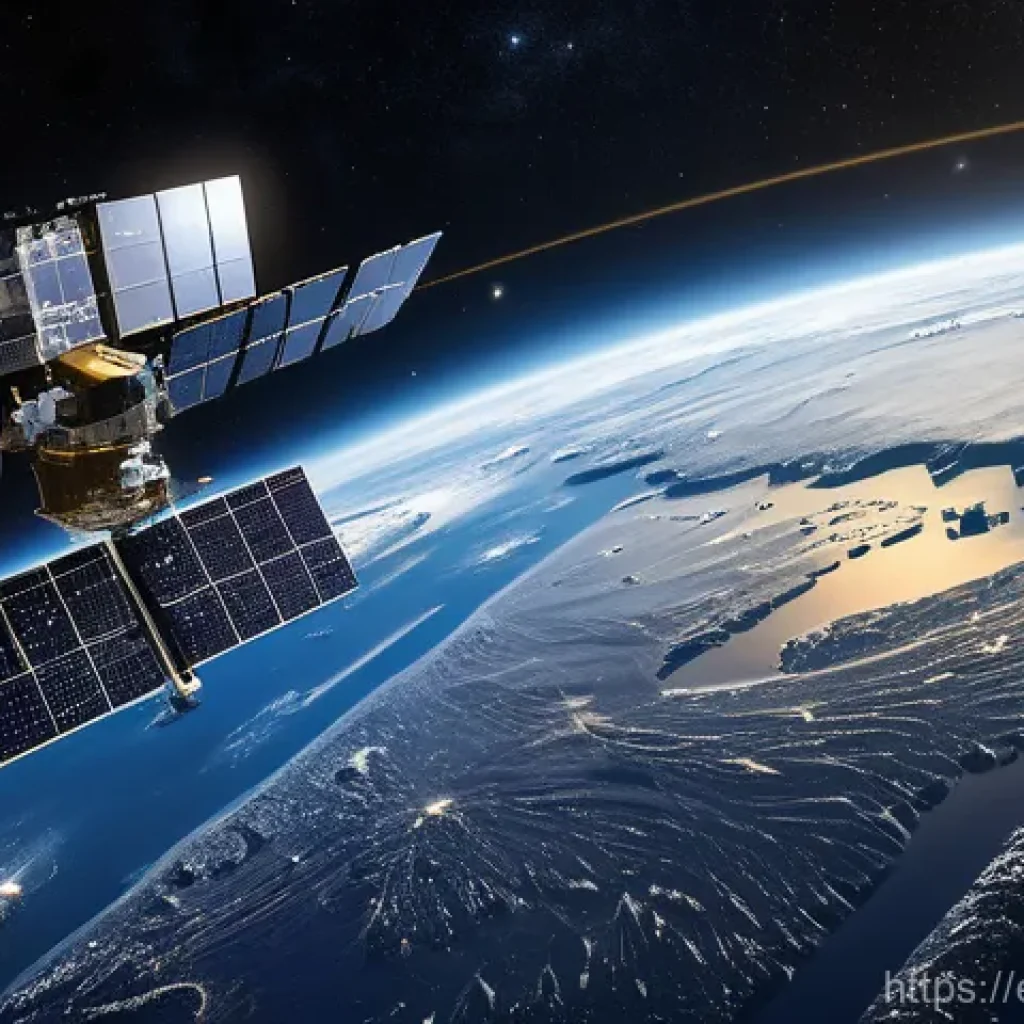
Honestly, when I first started digging into this, the sheer scale of what needs protecting in space blew me away. We’re talking about thousands of satellites that do everything from giving us GPS directions to enabling critical military communications and even forecasting the weather. Losing even a few of these could throw daily life into absolute chaos, and that’s a terrifying thought, right? The Air Force, alongside the burgeoning U.S. Space Force, is focusing heavily on building what they call “resilient space architecture.” This isn’t just about having backup satellites, though redundancy is a huge part of it. It’s about designing entire systems that can anticipate, defend against, recover from, and rapidly respond to a wide range of threats, ensuring that even under attack, our systems can keep functioning at a militarily or commercially useful level. It’s like building a fortress in the sky that can take a punch and keep on fighting.
Redundant and Distributed Networks
One of the most effective strategies I’ve seen them pushing is creating these incredibly spread-out networks of smaller, cheaper satellites, especially in lower Earth orbits (LEO). Think of it like having a thousand small, nimble drones instead of one giant, expensive battleship. If an adversary takes out one or two, the whole system doesn’t collapse. This “proliferation” makes it incredibly difficult for an enemy to target all our assets. It also means we can reconstitute quickly, replacing lost capabilities faster than ever before. It’s a fundamental shift from the days of a few “exquisite” satellites to a vast, robust network designed to absorb losses and still deliver vital services. This orbital diversity, with sensors in LEO, MEO, and GEO, helps create a true “defense in depth.”
Hardening Against the Unseen: Cyber and Electronic Warfare
It’s not just about physical attacks, though; the digital battlefield extends all the way to orbit. I mean, can you imagine the havoc a successful cyberattack on our satellites could cause? It’s a chilling thought. That’s why the focus on cybersecurity for satellites and ground stations is so intense. We’re talking about advanced encryption, firewalls, and intrusion detection systems to filter out suspicious traffic and prevent signal spoofing, hijacking, or GPS jamming. What’s truly fascinating is how they’re developing automated cybersecurity controls and even on-orbit AI/ML-based solutions to respond to anomalies, especially in those “blind zones” where human operators might not have immediate contact. The Space Force is even developing electromagnetic warfare capabilities to monitor and detect enemy electromagnetic interference and disrupt adversary communications.
Eyes in the Sky: Unveiling the Unknown with Space Domain Awareness
Before you can even *think* about defending something, you have to know it’s there, right? And in the vastness of space, that’s easier said than done. This is where Space Domain Awareness (SDA) comes into play, and frankly, it’s one of the most critical aspects of this whole cosmic defense strategy. SDA is essentially about having a crystal-clear picture of everything happening in orbit—detecting, tracking, characterizing, and classifying every single object out there, from tiny debris to potential threats. It’s like having the ultimate air traffic control system, but for space, and with far higher stakes. The more eyes we have up there, and the better those eyes are, the safer our assets, and frankly, everyone else’s too.
Advanced Sensors and Observational Networks
We’re talking about a global network of sensors, both ground-based and space-based, that work together to constantly monitor orbital activities. I remember reading about the Deep Space Advanced Radar Capability (DARC) and how it’s revolutionizing our ability to track objects in deep space. Plus, constellations like the Geosynchronous Space Situational Awareness Program (GSSAP), which recently got new satellites, are literally watching objects of interest in geosynchronous orbit. These systems provide vital, continuous information on the location of satellites and space debris, which is absolutely crucial given the increasing congestion in orbit. It’s about turning the vast, dark expanse of space into a transparent environment where nothing can hide.
Leveraging Commercial and Allied Partnerships
What’s really smart, I think, is how the military isn’t trying to do all this alone. The commercial space sector is booming, with incredible innovations happening at lightning speed. The Pentagon’s new Commercial Space Integration Strategy is a game-changer, aiming to integrate commercial solutions directly into military operations, recognizing that these advanced technologies can enhance resilience and add capability. This means we’re seeing collaborations that allow the military to use commercial satellites and data, and even potentially provide financial and military protections to those commercial operators. Imagine, commercial companies actively contributing to national security! It’s a win-win, really, bringing cutting-edge tech to the forefront faster than ever.
Forging Ahead: Innovation and Deterrence in the Space Age
It’s clear that the future isn’t just about reacting; it’s about being proactive and setting the stage for peace through strength. I’ve been so impressed by the sheer ingenuity going into developing new capabilities and strategies that aren’t just about defense, but about deterrence and maintaining superiority. The goal is to make any potential aggression in space so costly and uncertain for an adversary that they wouldn’t even consider it. It’s a delicate balance, but one that is absolutely essential for global stability. This isn’t just about gadgets; it’s about a complete philosophical shift in how we approach security beyond Earth.
Next-Generation Counterspace Capabilities
When we talk about deterring aggression, it means having the tools to respond effectively. We’re seeing significant investments in “counterspace systems” designed to prevent enemy satellite communications. This includes a range of non-kinetic capabilities like electronic warfare and directed energy weapons that can disrupt or disable satellites without creating destructive debris. It’s a far more sophisticated approach than simply “shooting things down,” aiming for reversible effects where possible. There’s also talk of “aggressor satellites” for training, replicating enemy orbital capabilities in real-time exercises to better prepare our forces.
Training and Wargaming for the Cosmic Conflict
You can have all the fancy tech in the world, but without the right people and the right training, it means nothing. This is something I deeply appreciate. The Air Force and Space Force are putting a huge emphasis on developing a new generation of “Guardians” who are experts in this domain. They’re using sophisticated computer simulations and “Space Flag” exercises to game out potential conflicts and develop new tactics for defending satellites. These simulations are incredibly realistic, allowing teams to defend digital satellites against aggressor teams, experimenting with maneuvers and responses. It’s all about making split-second decisions in a high-stakes environment, and I believe this kind of hands-on, realistic training is absolutely crucial.
The Blended Battlefield: Integrating Commercial and Military Space
One of the most eye-opening developments for me has been the increasingly blurred lines between commercial and military space operations. It used to be that military space was this super secretive, purpose-built world, completely separate from anything civilian. But now, with the explosion of private companies launching satellites and offering advanced space services, the Department of Defense is actively seeking to integrate these commercial capabilities. This isn’t just about cost-saving; it’s about speed, innovation, and resilience. The private sector is agile and can develop and deploy new technologies far faster than traditional government programs, and the military is smart enough to leverage that.
Shared Infrastructure and Data Exchange
The new Pentagon strategy really emphasizes ensuring access to commercial solutions at all stages of conflict and integrating them prior to a crisis. This means contracts with commercial space providers that could prioritize military requirements, and financial support or even military protection for those companies. We’re also seeing efforts to improve threat information sharing between government and commercial entities, and even to streamline processes for commercial space monitoring data to flow directly to military operators. Imagine a world where a commercial satellite detects an anomaly, and that information instantly feeds into military decision-making processes. That’s the level of integration they’re striving for, and it’s a huge step.
The Promise of On-Orbit Servicing and Refueling
This is where things get really futuristic, and I’m honestly so excited about the potential here! The Space Force is looking at next-generation SDA satellites that will actually require on-orbit refueling capabilities. Think about that for a second: satellites that don’t just get launched and then slowly run out of fuel, but can be visited, topped up, and even potentially repaired in space! This would dramatically extend the lifespan and maneuverability of our assets, making them far more resilient to threats. It’s a critical pivot in acquisition strategy, leveraging commercial space vehicles and payloads to enable this kind of incredible innovation.
Strategic Partnerships: A United Front in the Cosmos
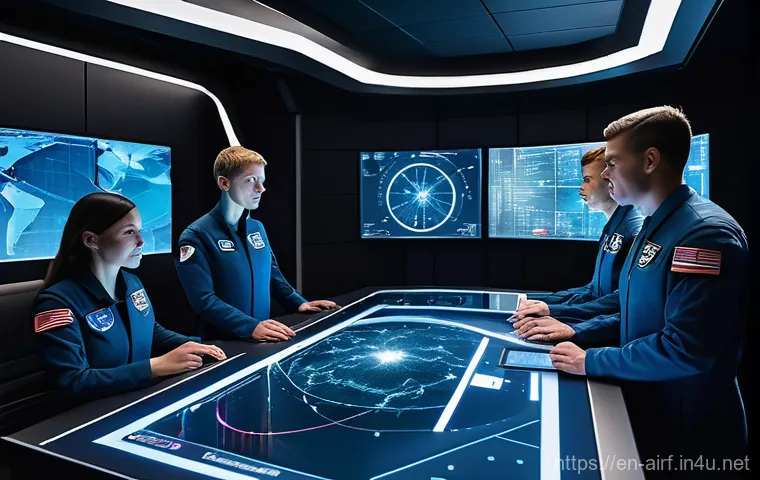
It’s easy to get caught up in the “us vs. them” narrative when talking about space defense, but the reality is, space is a shared domain, and its security impacts everyone. That’s why international cooperation is so incredibly vital. I truly believe that strength in numbers applies not just on Earth, but far beyond our atmosphere too. When nations work together, sharing information, developing common standards, and promoting responsible behavior, it makes space safer and more stable for everyone, which ultimately benefits us all back here on the ground. It’s about building a collective resilience against threats that don’t respect national borders.
Building Global Norms and Standards
The U.S. Space Force and the Department of the Air Force actively emphasize cooperation with allies. For instance, the EU-US Space Cooperation Framework, signed in 2024, is a fantastic example of joint research on protecting navigation systems, exchanging data on orbital threats, and getting access to early-warning systems against anti-satellite attacks. These kinds of agreements, along with the foundational Outer Space Treaty of 1967, are crucial for establishing rules of the road, promoting transparency, and fostering trust among spacefaring nations. The goal is to develop flexible protocols that adapt to new technologies while encouraging innovation, creating a shared understanding of responsible behavior in space.
Collaborative Space Domain Awareness
No single country has the resources to monitor the entire space environment alone, and this is where collaboration truly shines. Sharing data on satellite locations and movements with allies is paramount to reducing the risk of collisions, whether accidental or intentional. Expanding these efforts through global partnerships significantly enhances overall space safety and our collective ability to understand what’s happening up there. The Space Systems Command’s SDA and Combat Power program office, for example, is actively partnering with international allies to develop and sustain vital military space capabilities.
The Financial Fuel: Investing in Our Orbital Future
Let’s be real: none of these incredible advancements come cheap. Investing in space defense isn’t just about buying hardware; it’s about funding cutting-edge research, developing new technologies, and attracting the brightest minds to tackle these complex challenges. And from what I’ve seen, the Department of the Air Force and the Space Force are making some significant strides in securing the necessary resources, even when facing budget constraints. It’s a testament to how seriously they view space as a critical domain for national security.
Budget Priorities and Strategic Allocations
The Space Force’s budget has seen significant growth, reflecting its growing mission profile. For fiscal year 2024, the administration requested $30.3 billion, a 15 percent increase from the previous year. While budget discussions are always complex, there’s a clear push for substantial increases to fund new capabilities, especially in areas like next-generation missile warning and strategic communications satellites. These investments are crucial for developing resilient space architectures that can withstand attacks and provide timely data. There’s also a focus on modernizing acquisition processes to ensure capabilities are developed and procured at speed and scale.
Leveraging Commercial Investment for Defense
This is another area where I think they’re being incredibly smart. By integrating commercial capabilities, the military effectively leverages the massive private investment already flowing into the space sector. This reduces the burden on taxpayer dollars for certain functions and allows the military to focus its resources on bespoke, high-security capabilities that only the government can provide. The goal is to make commercial solutions integral, not just supplementary, to national security space architectures. This blend of public and private innovation is, in my opinion, the most efficient and effective way forward for securing our future in space.
| Key Space Defense Priorities | Description | Impact on Security |
|---|---|---|
| Resilient Architecture | Developing dispersed, redundant, and cyber-secure satellite networks across multiple orbits (LEO, MEO, GEO). | Ensures continuity of critical services even under attack, increasing survivability and deterrence. |
| Space Domain Awareness (SDA) | Utilizing advanced ground- and space-based sensors to detect, track, and characterize all objects and potential threats in orbit. | Provides essential intelligence for threat assessment, collision avoidance, and operational planning. |
| Counterspace Capabilities | Developing both kinetic and non-kinetic means (e.g., electronic warfare, directed energy, cyber) to deter or defeat adversary threats to space assets. | Maintains freedom of action in space and denies adversaries the ability to use space against us. |
| Commercial Integration | Leveraging rapidly innovating commercial space sector technologies and services to augment military capabilities and increase resilience. | Accelerates capability development, reduces costs, and provides diverse solutions for national security missions. |
| International Cooperation | Building alliances, sharing threat data, and establishing norms for responsible behavior in space with partner nations. | Fosters collective security, prevents conflicts, and ensures the long-term sustainability and safety of the space environment. |
My Personal Reflections: The Human Element in the Cosmic Challenge
As I’ve been researching and putting all this together, what truly resonates with me is the incredible human ingenuity behind it all. It’s not just about satellites and weapons; it’s about the dedicated people in the Air Force and Space Force, the engineers, the strategists, the Guardians, who are literally charting new territory. I mean, think about the immense brainpower and courage it takes to prepare for something that, thankfully, we hope never fully materializes. It gives me a sense of profound respect and, dare I say, optimism. There’s a genuine commitment to maintaining peace, even as they prepare for conflict.
Beyond the Tech: The People Who Make it Happen
I’ve always been a firm believer that technology is only as good as the people wielding it. And in this incredibly complex domain, the importance of highly trained, adaptable personnel cannot be overstated. The Air Force has a long history of excellence in air and space, and seeing how they’re cultivating a new generation of experts for this frontier is truly inspiring. They’re not just operating systems; they’re innovating, problem-solving under immense pressure, and thinking several steps ahead of potential adversaries. It’s a job that requires a unique blend of technical prowess, strategic thinking, and sheer dedication.
The Delicate Balance of Deterrence
When you delve into “space warfare,” it can sound pretty grim, almost like something out of a movie. But what I’ve come to understand is that much of this preparation is actually about *preventing* conflict. It’s about creating such robust defenses and such clear capabilities that any potential aggressor thinks twice, or even three times, before making a move. That, to me, is the real goal here: ensuring that space remains a domain for exploration, communication, and scientific advancement, rather than a battleground. It’s a continuous, evolving challenge, and honestly, knowing the caliber of minds working on this gives me a lot of hope for our future in the stars.
Wrapping It Up
Whew! What a journey through the intricate world of space defense, right? It’s genuinely awe-inspiring to see the dedication and foresight going into protecting something so vital to our daily lives, something many of us take for granted. From ensuring our GPS works flawlessly to enabling crucial communications, the work of the Air Force and Space Force in this domain is nothing short of foundational. Knowing that there are so many brilliant minds focused on resilience, awareness, and international cooperation truly provides a sense of security, showing me that while the challenges are vast, our commitment to a peaceful and secure cosmos is even greater. It makes me feel a bit more grounded, ironically, to know that our future in the stars is being so carefully safeguarded.
Useful Information to Know
1. Keep an Eye on Commercial Space Innovations: The private sector is truly a game-changer here! Companies like SpaceX are rapidly innovating, and their advancements in areas like reusable rockets and satellite constellations are directly influencing military strategies for building resilient networks. So, if you’re curious about where space defense is heading, keep tabs on the latest commercial space news; it’s often a leading indicator.
2. Understanding Space Domain Awareness (SDA) is Key: Knowing what’s happening in space is the first step to securing it. SDA encompasses detecting and tracking objects in orbit, from potential threats to debris. The more we improve our global network of sensors, both on the ground and in space, the better equipped we are to prevent collisions and deter aggression, keeping space safe for everyone.
3. The Importance of International Agreements: While military readiness is crucial, diplomacy plays an equally important role. Treaties like the 1967 Outer Space Treaty, and newer frameworks like the 2024 EU-US Space Cooperation Framework, are essential for establishing responsible behaviors and sharing vital information, making space a more stable environment for all nations.
4. Cybersecurity Extends to Orbit: It’s easy to think of cyber threats only affecting our computers or phones, but satellites are equally vulnerable. Protecting these celestial assets from cyberattacks, jamming, and spoofing is a massive undertaking involving advanced encryption and AI-driven defenses. This really highlights how interconnected our digital and physical worlds have become, even in space.
5. Budget Allocations Reflect National Priorities: If you want to see what’s truly important to national security, look at the budget. The consistent growth in the Space Force’s budget, with significant investments in next-generation capabilities and resilient architectures, clearly signals the critical importance placed on safeguarding our space assets and maintaining a competitive edge.
Key Takeaways
Honestly, diving deep into how the Air Force and Space Force are adapting to the rapidly evolving space domain has been an eye-opener. What struck me most is that it’s not just about one silver bullet or a single piece of advanced tech; it’s a multifaceted approach built on innovation, collaboration, and foresight. We’re seeing a clear shift towards creating incredibly resilient space architectures with distributed networks of satellites that can withstand threats and ensure continuous operation. This “defense in depth” strategy is being bolstered by cutting-edge Space Domain Awareness, giving us an unprecedented view of everything happening in orbit. Beyond that, the emphasis on integrating commercial space capabilities is truly transformative, leveraging the agility and innovation of the private sector to enhance national security. And let’s not forget the crucial role of international partnerships and the financial commitments needed to fuel this next era of space defense. It’s a complex, ever-evolving challenge, but the dedication to maintaining peace and security in this vital frontier gives me immense confidence in our future in, from, and to space.
Frequently Asked Questions (FAQ) 📖
Q: What exactly are the biggest threats the
A: ir Force is preparing for in space? A1: From what I’ve seen and understood, the threats are incredibly diverse and frankly, pretty chilling. It’s not just about direct physical attacks, although those are a serious concern with things like anti-satellite weapons (ASATs) that can create huge fields of dangerous debris.
We’re also talking about less visible but equally damaging threats, like sophisticated cyberattacks aimed at disrupting or even taking control of our satellites.
Imagine your GPS suddenly going haywire, or your internet connection disappearing because a satellite providing the backbone of that service has been compromised.
Beyond that, there’s also the challenge of “rendezvous and proximity operations,” where other nations’ satellites get dangerously close to ours, sometimes to inspect, sometimes to interfere, and sometimes to practice potential disabling maneuvers.
It’s a game of high-stakes cat and mouse, and keeping tabs on all of it requires incredible vigilance and cutting-edge technology. It truly feels like anything that could be weaponized, from jamming signals to outright destruction, is on the table, and the Air Force is working hard to counter every scenario.
Q: How is the
A: ir Force specifically adapting its strategies and technologies to handle these new space challenges? A2: Okay, so this is where it gets really interesting!
Based on what I’ve been following, the Air Force isn’t just sitting back and hoping for the best. They’re undergoing a massive transformation, often working hand-in-hand with the newly formed Space Force, of course.
A huge part of this is about enhancing “space domain awareness” – basically, knowing exactly what’s happening up there, who owns what, and what everyone’s doing.
Think of it like a global air traffic control system, but for space, and with a heavy dose of intelligence gathering. They’re investing heavily in advanced sensors, ground-based radars, and even new orbiting satellites that can monitor the space environment in unprecedented detail.
On the defensive side, they’re developing more resilient satellite architectures – think of it as building in redundancies, making satellites harder to jam or hack, and even creating capabilities for “defensive counterspace operations.” This could involve anything from quickly repairing a compromised satellite to deploying new ones rapidly.
It’s a huge shift from simply launching and operating satellites to actively defending them and projecting power through space, which, to me, shows just how seriously they’re taking this new frontier.
It’s all about ensuring our critical systems remain operational, no matter what.
Q: What are the real-world implications of this space defense focus for everyday people like us?
A: This is a fantastic question because it really brings it all home. When we talk about space defense, it might sound like something out of a movie, far removed from our daily lives.
But honestly, the implications are profound and directly affect you and me. Think about it: our entire modern infrastructure, from global banking and financial transactions to precision agriculture, disaster relief, and even the accuracy of your weather forecast, relies heavily on satellites.
Your phone’s GPS? Satellite-dependent. Your internet?
Often routed through satellite communication. Should these vital assets be compromised or disrupted by hostile actions in space, the ripple effects would be catastrophic.
We’re talking about potential economic instability, disruptions to emergency services, and even a breakdown in basic communication. So, when the Air Force and Space Force focus on deterring aggression and protecting our space assets, they’re not just safeguarding national security in an abstract sense; they’re directly protecting the very fabric of our connected, modern lives.
It’s about ensuring that the convenient, reliable services we often take for granted continue to function, preserving our way of life and our economy.
It really makes you appreciate just how much goes on above our heads that we rarely even think about!