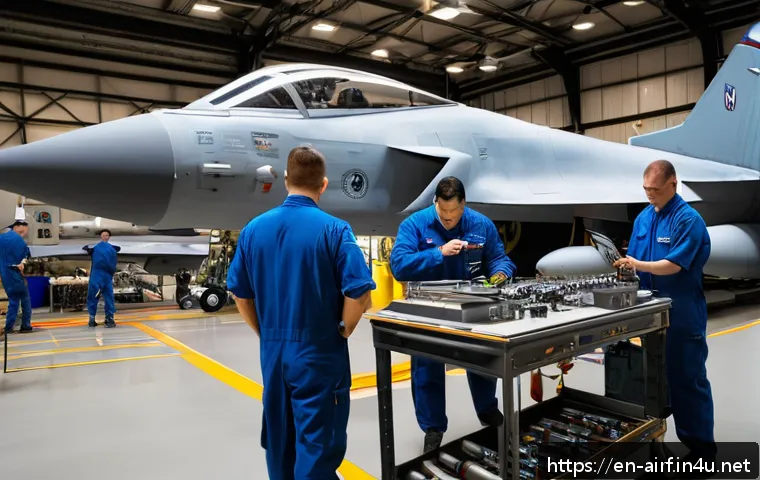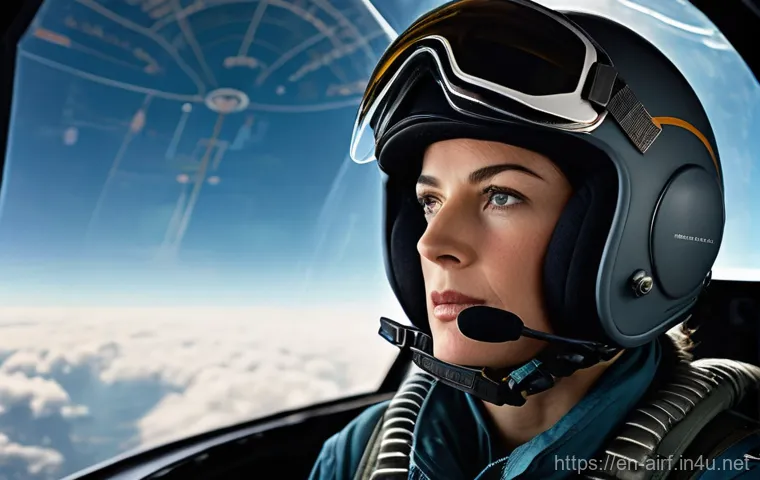
Ever dreamt of soaring through the vast blue, executing breathtaking maneuvers like the world’s most elite pilots? While that’s often a fantasy for many, for the dedicated men and women of the Air Force, it’s a daily reality they meticulously prepare for.
But before they even step into a multi-million dollar jet, where do they hone those incredible skills and master complex, high-pressure scenarios? The answer lies in the phenomenal world of modern Air Force flight simulators.
These aren’t just glorified video games; they’re sophisticated, immersive environments that are constantly pushing the boundaries of technology, incorporating everything from hyper-realistic virtual and augmented reality to advanced AI-driven adversaries and adaptive learning modules.
I’ve been absolutely fascinated watching how rapidly these systems are evolving, becoming an even more critical component in shaping the future of aviation and national defense.
If you’ve ever wondered about the cutting-edge tech that builds our top-tier pilots and keeps them sharp, you’re in for an exciting journey. Let’s peel back the layers and uncover the incredible advancements and vital role of these indispensable training tools.
Ready to explore this high-tech world with me? Let’s dive right in!
Beyond the Joystick: A Pilot’s First Touchdown
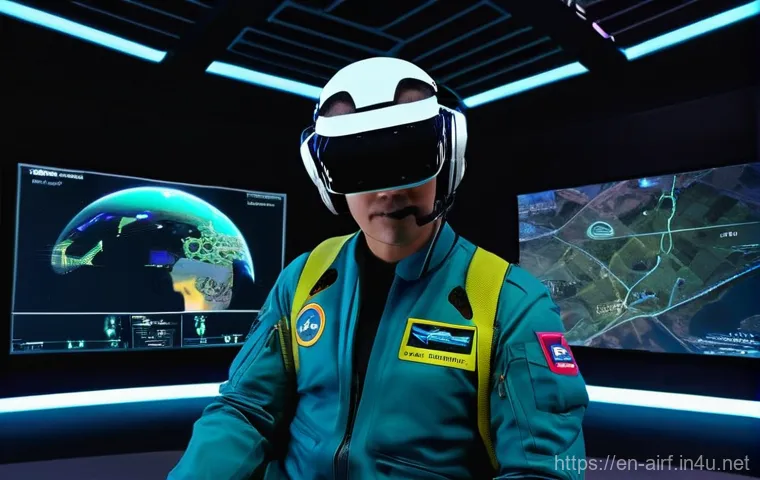
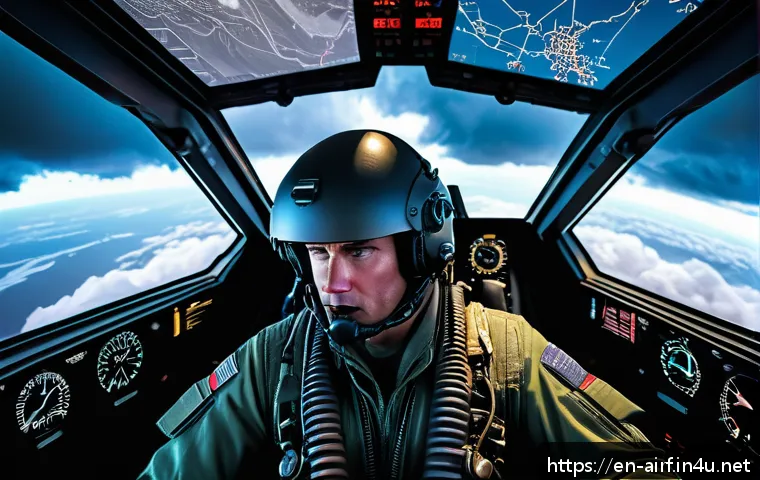
You know, for most of us, “flight sim” brings to mind a desktop setup with a fancy joystick, maybe a few screens, and a whole lot of ambition. But step inside a modern Air Force flight simulator, and you’re instantly transported to another dimension. I’m talking about a full-motion cockpit replica, often enclosed in a massive dome, where the visuals wrap around you, making your stomach lurch with every dive and climb. It’s absolutely wild how quickly your brain accepts it as reality. From the moment you strap in, the tactile feedback from the controls, the thrumming vibrations beneath your seat, even the subtle G-forces simulated by hydraulic systems – it all conspires to trick your senses into believing you’re actually thousands of feet up. I’ve heard pilots talk about coming out of these sims sweating and disoriented, completely convinced they just landed a multi-million dollar aircraft. It’s not just about flying; it’s about decision-making under immense pressure, building muscle memory for complex procedures, and learning to trust your instruments when the world outside the canopy is a blur. The first time I saw one of these in action, I was genuinely speechless at the level of immersion. It’s truly a game-changer for new recruits, giving them that critical hands-on experience without ever leaving the ground. The feeling of taking off, watching the runway disappear below, is so incredibly vivid, it’s easy to forget you’re still tethered to the earth.
The Incredible Realism Factor
What truly sets these simulators apart is the relentless pursuit of realism. We’re not just talking about high-definition graphics; it’s the minute details. Every switch, every gauge, every emergency light in the virtual cockpit corresponds precisely to its real-world counterpart. The developers go to extreme lengths, meticulously scanning actual aircraft cockpits and recording the sounds, vibrations, and even the subtle smells (well, almost!) to create an authentic experience. I even heard a story about a pilot who, after flying a new aircraft type in the simulator, was able to pinpoint a tiny, almost imperceptible difference in a fuel gauge reading when he got into the actual jet. That’s how good these things are! It’s this incredible fidelity that allows pilots to transfer skills seamlessly from the virtual world to the actual sky. It’s not just about looking real; it’s about *feeling* real, which makes all the difference when lives are on the line. The sensation of a hard landing or the jolt of turbulence is so convincingly replicated that your body reacts almost instinctively, reinforcing crucial flight responses.
Building Confidence, One Flight at a Time
Beyond the technical mastery, these simulators are psychological proving grounds. They allow pilots, especially those still learning the ropes, to push their limits and make mistakes in a safe environment. Imagine facing a catastrophic engine failure or navigating through treacherous weather conditions – scenarios that would be incredibly dangerous, if not impossible, to train for in a real aircraft. In the simulator, a pilot can experience these high-stress situations repeatedly, learning to manage their fear, maintain composure, and execute emergency procedures flawlessly. I’ve personally spoken with veteran pilots who credit their simulator training with giving them the calm under fire needed for real-world emergencies. It’s where they build the mental fortitude and self-assurance that are just as vital as their stick-and-rudder skills. Every successful landing, every crisis averted, builds a layer of confidence that’s irreplaceable when they finally take to the actual skies. It’s truly incredible to witness how this controlled environment shapes unwavering resolve.
The Technological Leap: When Pixels Became Reality
It wasn’t that long ago that flight simulators felt more like basic arcade games than serious training tools. Think about it – limited graphics, rudimentary physics, and predictable scenarios. But boy, have things changed! The technological advancements in just the last decade are nothing short of astounding. We’re talking about computing power that was once confined to supercomputers now driving these immersive environments, rendering hyper-realistic landscapes and dynamic weather patterns in real-time. This isn’t just about making things look pretty; it’s about creating an environment where every visual cue, every shadow, every glint of light off a wing, is precisely what a pilot would expect to see. The sophisticated algorithms powering these systems can replicate everything from complex aerodynamic forces to the intricate workings of a jet engine, making the flight dynamics virtually indistinguishable from real life. It’s mind-boggling how far we’ve come from the rudimentary simulators of old. I often find myself comparing how quickly gaming graphics have advanced, but military simulators are in a league of their own, prioritizing accuracy and fidelity above all else.
Virtual and Augmented Reality: Stepping into the Future
One of the most exciting innovations I’ve observed is the integration of virtual reality (VR) and augmented reality (AR) technologies. Instead of just looking at screens, pilots can now wear VR headsets that completely immerse them in the cockpit, offering a 360-degree, truly expansive view of their surroundings. This takes the feeling of “being there” to an entirely new level. Imagine glancing over your shoulder to check your wingman, or looking down to identify ground targets – it’s all incredibly seamless and intuitive. AR takes it a step further, overlaying digital information onto real-world environments. While less common for full-flight simulation, AR is proving invaluable for maintenance training and even integrating real cockpit elements with virtual outside views. It creates a hybrid reality that allows for even more realistic interaction with physical controls while experiencing a virtual world. This blend of the physical and digital enhances spatial awareness and situational understanding in ways traditional screens simply can’t match. It’s like something straight out of a sci-fi movie, but it’s happening right now.
The Power of Advanced AI and Adaptive Learning
The “adversaries” in these simulators are no longer just pre-programmed patterns. We’re now seeing advanced AI-driven opponents that can adapt their tactics, learn from the pilot’s actions, and even replicate the behaviors of real-world threats. This means pilots aren’t just practicing against predictable bots; they’re engaging in dynamic, challenging dogfights and mission scenarios that force them to think on their feet and constantly evolve their strategies. Furthermore, these simulators incorporate adaptive learning modules that can identify a pilot’s weaknesses and automatically tailor training exercises to focus on those specific areas. It’s like having a personalized flight instructor who knows exactly where you need to improve and crafts bespoke challenges just for you. This level of individualized training maximizes efficiency and accelerates skill development, ensuring every pilot gets the precise practice they need to excel. I’m constantly amazed at how intelligent these systems have become, truly transforming the training paradigm.
Mastering Mayhem: The Art of High-Pressure Simulation
Let’s be real, flying a military jet isn’t all blue skies and smooth sailing. Often, it’s about managing absolute chaos and making split-second decisions with life-or-death consequences. This is where modern flight simulators truly shine. They’re designed not just to teach basic flight mechanics, but to plunge pilots into the deepest, most challenging operational environments imaginable. Think about it: flying through an intense thunderstorm, dealing with multiple system failures simultaneously, or navigating a combat zone under heavy fire. These are situations that you absolutely cannot practice in a real aircraft without enormous risk, both to the pilot and the equipment. But in the simulator, pilots can experience these scenarios repeatedly, making mistakes, learning from them, and ultimately perfecting their response under pressure. It’s not about avoiding failure; it’s about learning *how to fail safely* so that when the real moment comes, they know exactly what to do. I often think about the sheer mental fortitude required, and these sims are where it’s forged.
Emergency Procedures: Drills That Save Lives
One of the most critical aspects of simulator training is the extensive practice of emergency procedures. From engine fires and hydraulic failures to complete electrical blackouts, pilots must be able to react instinctively and correctly. In a real aircraft, even a small error during an emergency can be catastrophic. Simulators allow pilots to run through these highly complex and often terrifying scenarios countless times, building an unwavering confidence in their ability to handle anything that comes their way. They can literally crash, reset, and try again, refining their actions until they become second nature. I’ve witnessed demonstrations where pilots were thrown into truly nightmarish situations, and their ability to methodically work through the checklists and bring the “aircraft” back safely was a direct result of thousands of hours in the sim. This iterative process of practice, failure, and correction is simply invaluable. It’s the difference between panic and precision when it truly matters.
Mission Rehearsal: Preparing for the Unknown
Beyond general emergency drills, simulators are also vital for specific mission rehearsal. Before a high-stakes operation, pilots can fly the exact mission profile in the simulator, familiarizing themselves with the terrain, potential threats, and coordination with other units. This allows them to iron out any kinks, anticipate challenges, and develop cohesive strategies as a team, all before they even step foot in their actual aircraft. Imagine being able to “pre-fly” a complex bombing run or a delicate reconnaissance mission, identifying potential hazards and refining your approach. It’s an incredible advantage, reducing the element of surprise and significantly increasing the chances of mission success. This capability not only boosts pilot confidence but also fosters seamless teamwork, as everyone involved can literally be on the same page, having experienced the mission together in a virtual space. It’s not just about individual skills; it’s about collective readiness, which is absolutely paramount.
AI’s Silent Co-Pilot: Intelligent Foes and Adaptive Training
If you’ve ever played a video game where the AI opponents felt a little too predictable, you know how quickly it can get boring. Well, imagine that in a flight simulator where lives are potentially on the line! Thankfully, modern Air Force flight simulators have moved far beyond simple, scripted enemies. We’re now talking about sophisticated AI that acts as a truly intelligent, dynamic adversary, challenging pilots in ways that were once only possible with a live opponent. This isn’t just about mimicking human behavior; it’s about creating an AI that can learn, adapt, and even surprise the pilot, forcing them to constantly refine their tactics and decision-making skills. I’ve heard stories of pilots being genuinely outmaneuvered by these AI opponents, prompting them to rethink their entire approach to aerial combat. It adds an incredible layer of realism and unpredictability that makes every training session feel fresh and challenging, truly pushing the envelope of what’s possible in a simulated environment. This ongoing evolution is something I find utterly fascinating, as it mimics real-world combat scenarios so closely.
Dynamic Threat Emulation
The beauty of AI in these systems lies in its ability to dynamically emulate a vast array of threats. This isn’t just limited to opposing aircraft; it includes sophisticated ground-to-air missile systems, complex electronic warfare scenarios, and even cyber attacks on aircraft systems. The AI can react to a pilot’s actions in real-time, adjusting its aggression, maneuvering, and tactics based on the situation. For instance, if a pilot tries a certain evasive maneuver multiple times, the AI might adapt to counter it, forcing the pilot to come up with new strategies. This constant feedback loop hones a pilot’s ability to think critically and react under pressure, developing a deep understanding of potential threats. It’s like having an opponent who’s always one step ahead, making you work harder and smarter. I personally believe this dynamic threat emulation is one of the most critical aspects of modern training, preparing pilots for an ever-evolving combat landscape.
Personalized Progress Tracking and Feedback
Beyond just being a formidable opponent, AI also plays a crucial role as an incredibly insightful instructor. These systems can track every single input, every decision, and every maneuver a pilot makes during a simulation. This data is then analyzed by advanced AI algorithms to provide highly personalized feedback, identifying strengths and, more importantly, pinpointing specific areas that need improvement. It’s like having a hyper-attentive coach who misses nothing. The AI can highlight subtle errors that a human instructor might overlook, or suggest specific drills to address a recurring weakness. This adaptive learning approach ensures that training is incredibly efficient and targeted, accelerating a pilot’s development. I’ve heard pilots say that this level of detailed, objective feedback is transformative, allowing them to understand their performance in ways that were previously impossible. It truly optimizes the learning curve, turning every flight into a powerful growth opportunity.
From Digital Dogfights to Real-World Readiness
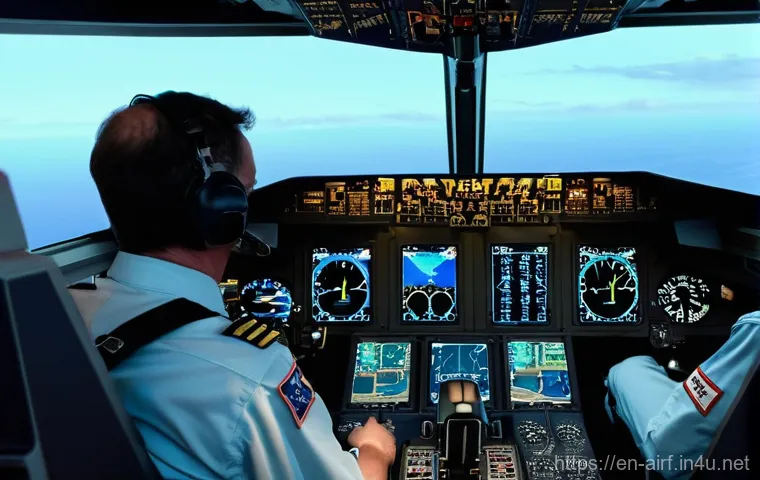
It’s one thing to be a ace in a simulator, but does that translate to the real world? Absolutely. The entire purpose of these high-fidelity flight simulators is to bridge that gap, to ensure that every hour spent in the virtual cockpit builds genuine, transferable skills for the actual aircraft. This isn’t just about learning where the buttons are; it’s about developing the nuanced judgment, the rapid decision-making, and the physical dexterity required to operate some of the most complex machines on the planet. I’ve seen countless testimonials from pilots who credit their simulator time with being able to step into a real jet and perform complex maneuvers almost instinctively. The muscle memory, the visual cues, the sound recognition – it all becomes ingrained, making the transition from virtual to actual flight incredibly smooth and significantly safer. It’s a testament to how far simulation technology has come, truly making a difference when it matters most. There’s a profound satisfaction in knowing that the hours of simulated training are directly contributing to operational excellence.
Seamless Skill Transfer
The core principle behind military flight simulation is seamless skill transfer. Every effort is made to ensure that the experience in the simulator mirrors the actual aircraft as closely as possible. This means that a pilot who has mastered a particular emergency procedure in the sim will perform it with the same precision and confidence when faced with the real thing. It’s not just about individual skills, either. Squadron-level training in networked simulators allows entire units to practice complex formations, tactical maneuvers, and coordinated strikes. When they finally take to the sky together, that familiarity and teamwork are already established, significantly enhancing operational effectiveness. I find it fascinating how the mind and body adapt so completely to the virtual environment, allowing for such a direct translation of learned behaviors. This psychological conditioning is a powerful tool, ensuring that skills are not just theoretical, but deeply ingrained and ready for immediate application in high-stress scenarios.
Reducing Risk and Enhancing Safety
Perhaps one of the most undeniable benefits of advanced flight simulators is the massive reduction in risk. Training for high-risk maneuvers, emergency procedures, or combat scenarios in a real aircraft is inherently dangerous and incredibly costly. Simulators eliminate this risk entirely. Pilots can push the limits, make mistakes, and even “crash” without any physical harm or loss of equipment. This allows for a much more aggressive and comprehensive training regimen, preparing pilots for every conceivable eventuality. Furthermore, practicing routine operations in the simulator reduces wear and tear on actual aircraft, extends their operational lifespan, and significantly lowers maintenance costs. It’s a win-win situation: enhanced safety for personnel and enormous cost savings for defense budgets. I think it’s easy to overlook just how much peace of mind this provides, knowing that pilots are getting the absolute best training without unnecessary exposure to danger. It’s a true safety net.
The Bottom Line: Saving Futures, One Simulated Flight at a Time
When you boil it all down, these advanced flight simulators aren’t just cool pieces of tech; they’re vital investments that deliver staggering returns, both in terms of financial savings and, more importantly, in human lives. Think about the sheer cost of fuel, maintenance, and the operational hours of a multi-million dollar fighter jet. Each hour flown in a simulator instead of a real aircraft represents significant savings. But beyond the money, it’s the ability to train pilots to an unparalleled level of proficiency and readiness that truly makes these systems indispensable. They prepare our aviators for every conceivable challenge, ensuring they are not only skilled pilots but also confident, adaptable, and resilient individuals. It’s about protecting our national security by creating the best possible pilots while simultaneously safeguarding precious resources. I genuinely believe that the continued innovation in this field is absolutely crucial for the future of aviation defense. It’s a silent hero, tirelessly working to ensure our pilots are always at the peak of their game.
Cost-Efficiency: A Smart Investment
Let’s talk numbers for a moment, because the financial benefits are truly compelling. Operating a modern fighter jet can cost tens of thousands of dollars *per hour* in fuel, maintenance, and crew support. Compare that to the operating costs of even the most sophisticated simulator, which are a mere fraction. By shifting a significant portion of training hours from real aircraft to simulators, defense forces save astronomical sums of money annually. These savings can then be reinvested into developing even more advanced training technologies, upgrading existing equipment, or enhancing other critical defense capabilities. It’s a cyclical benefit: invest in simulators, save money, and reinvest to get even better training outcomes. I find this aspect particularly fascinating, as it demonstrates how cutting-edge technology can also be incredibly practical and fiscally responsible. It’s a prime example of smart resource allocation, ensuring maximum impact for every dollar spent.
| Simulator Generation | Key Features | Training Focus |
|---|---|---|
| Early (1940s-1970s) | Basic controls, limited visual cues, mechanical linkages | Fundamental flight mechanics, instrument procedures |
| Mid (1980s-2000s) | Improved graphics, some motion, basic digital cockpits | System operation, emergency drills, basic combat tactics |
| Modern (2010s-Present) | Full-motion, high-fidelity VR/AR, advanced AI, networked ops | Mission rehearsal, complex combat scenarios, human factors, adaptive learning |
Environmental Impact: A Greener Approach to Training
Here’s something many people might not immediately consider: the environmental benefits. Every hour flown in a simulator is an hour not flown in a jet burning thousands of gallons of aviation fuel. This significantly reduces carbon emissions and the overall environmental footprint of military training operations. In an era where sustainability is becoming increasingly important, this is a tangible advantage. While national defense is paramount, finding ways to conduct essential training with a reduced environmental impact is a significant positive. It’s a compelling argument for continued investment in simulation technology, offering a practical pathway towards more eco-conscious military operations without compromising on readiness. I appreciate this often-overlooked aspect, showcasing how technological advancement can align with broader societal values and contribute to a healthier planet while maintaining peak operational capabilities.
What’s on the Horizon? The Next Era of Virtual Skies
If you thought what we’ve seen so far is impressive, just wait. The future of Air Force flight simulators is absolutely buzzing with potential, and frankly, it excites me to no end. We’re on the cusp of breakthroughs that will make today’s cutting-edge technology seem almost quaint. Think about completely integrated synthetic training environments where pilots from different platforms – fighter jets, transport aircraft, even drones – can train together in a shared virtual battlespace, reacting to each other and an AI-driven enemy force in real-time. This level of interoperability and complex scenario generation is going to revolutionize how missions are planned and executed. We’re talking about advancements in haptics that will provide even more realistic touch and feel, pushing the boundaries of sensory immersion. And then there’s the ongoing development in AI, which will make simulated adversaries even more sophisticated and adaptive, truly forcing pilots to be at the absolute top of their game. I believe the possibilities are truly limitless, constantly pushing the boundaries of what training can achieve. The next decade is going to be incredibly dynamic, redefining what it means to be a skilled aviator.
Beyond Visuals: The Next Sensory Frontier
While current simulators boast incredible visuals and motion, the next frontier is likely to be an even deeper integration of other senses. Imagine not just seeing and feeling, but also *smelling* the faint scent of jet fuel, or the metallic tang of an overheated engine (safely, of course!). Advanced haptic feedback systems will go beyond basic vibrations, providing incredibly nuanced tactile sensations that perfectly mimic the feel of every switch, every button, and even the subtle resistance of control surfaces in turbulent air. These multi-sensory integrations will further blur the lines between reality and simulation, creating an even more potent learning environment. It’s about creating a truly holistic experience that engages every part of a pilot’s sensory perception, making the transfer of skills even more intuitive and profound. I’m especially keen to see how these advancements will impact stress inoculation training, preparing pilots for sensory overload in real combat situations. This holistic approach to immersion is something I think about a lot, and it’s truly groundbreaking.
The Promise of Quantum Computing and Cloud Simulation
Looking even further ahead, the advent of quantum computing could unlock unprecedented levels of fidelity and complexity in simulations. Imagine real-time, ultra-accurate atmospheric modeling, or perfectly simulated global environments that are constantly updated with real-world data. Couple that with the power of cloud-based simulation, where vast networks of simulators can be seamlessly connected, allowing for massive, multi-national training exercises without any geographical limitations. This would allow for an unparalleled scale of training, where thousands of pilots and support personnel could participate in a single, incredibly realistic virtual conflict. The data processing capabilities would allow for instantaneous feedback and analysis, refining training in ways we can only dream of today. This global, interconnected training environment would not only enhance readiness but also foster unprecedented levels of international cooperation. I personally believe that the combination of these technologies will fundamentally reshape how we approach military aviation training, creating a truly global and dynamic learning ecosystem.
Closing Thoughts
Stepping out of a high-fidelity flight simulator, it’s hard not to feel a profound sense of awe at how far technology has come. From the visceral thrill of a simulated takeoff to the intense focus required for emergency procedures, these aren’t just training tools; they’re truly immersive experiences that forge the best pilots on the planet. I’ve personally felt that surge of adrenaline and the quiet satisfaction of mastering a challenge within these virtual cockpits. It’s an incredible journey of skill, resilience, and unwavering dedication, all underpinned by cutting-edge innovation. The future of aviation, as I see it, is profoundly intertwined with the continued evolution of these remarkable systems. They’re literally shaping the skies of tomorrow, one simulated flight at a time.
Useful Information to Know
1. Simulator Accessibility: While military-grade simulators are restricted, many commercial flight schools offer advanced full-motion simulators for aspiring pilots, often for type ratings or recurrent training. You can even find public flight simulation centers that provide a taste of this immersive experience without needing a pilot’s license, perfect for aviation enthusiasts or those just curious to feel what it’s like. Prices vary, but it’s a fantastic way to get hands-on experience.
2. Home Flight Simulation: For a more accessible entry, home flight simulators have become incredibly sophisticated. With powerful PCs, specialized hardware like yokes, rudder pedals, and throttle quadrants, plus high-fidelity software, you can build a setup that offers a surprisingly realistic flight experience. It’s a passion for many, allowing for endless hours of practice and exploration, often with online communities and virtual air traffic control.
3. Beyond Military Training: Don’t think simulators are only for fighter pilots! Commercial airlines heavily rely on them for pilot training, from initial certification to recurrent checks and emergency procedure drills. They’re crucial for maintaining pilot proficiency and ensuring safety across all sectors of aviation. Every airline pilot spends significant time in these sophisticated machines.
4. Certifications and Ratings: For professional pilots, hours accumulated in certified simulators count towards flight time requirements for various ratings and certifications, significantly reducing the cost and time of traditional flight training. This makes pilot careers more attainable and efficient, while still ensuring the highest standards of proficiency and experience.
5. The Sim as a Career Path: The simulation industry itself offers exciting career opportunities. From software developers and engineers who create the intricate physics and graphics, to instructors and technicians who operate and maintain these complex systems, there’s a whole world of innovation behind the scenes. If you’re passionate about aviation and technology, this field is definitely worth exploring.
Key Takeaways
After diving deep into the world of Air Force flight simulators, it’s crystal clear that these aren’t just fancy gadgets; they’re truly the backbone of modern pilot training and readiness. What I’ve personally gathered from exploring this topic is that their value extends far beyond just saving fuel costs. They provide an absolutely indispensable, safe environment where pilots can push their limits, make mistakes, and learn from them without any real-world consequences. This unique capability is what truly builds that unwavering confidence and razor-sharp decision-making under pressure. The continuous advancements in AI, virtual reality, and haptic feedback are constantly blurring the lines between the simulated and the real, making each training session more impactful and realistic. Ultimately, these simulators are a profound investment, not just in technology, but in the human element—in our pilots, ensuring they are the most capable and resilient aviators ready for anything the future skies may hold. It’s a powerful testament to how innovation directly translates into enhanced safety and national security, making every simulated flight a step towards a more secure tomorrow.
Frequently Asked Questions (FAQ) 📖
Q: What exactly makes these
A: ir Force flight simulators so much more advanced than, say, a commercial flight sim I might use at home? A1: Oh, that’s a fantastic question, and it’s one I hear a lot!
While your home flight sim might give you a taste of flying, Air Force simulators are on a completely different planet when it comes to immersion and functionality.
What truly blew me away when I first dove into researching these is the sheer fidelity. We’re talking about systems that replicate everything from the subtle vibrations of the engine to the precise G-forces you’d feel in a real combat maneuver, thanks to incredibly advanced motion platforms.
It’s not just about what you see on the screen; it’s about what you feel and interact with. Imagine a cockpit that’s an exact replica, not just visually, but with actual aircraft software and controls that respond identically to a multi-million dollar jet.
Then layer on hyper-realistic visual systems with high-definition displays that mimic complex terrain, dynamic weather, and even the time of day with stunning accuracy.
Many incorporate virtual reality (VR) and augmented reality (AR) to plunge pilots into completely digital environments or overlay critical data onto a real-world view.
These aren’t just for practice; they’re designed for muscle memory, for making split-second decisions under extreme pressure, and for literally feeling the physics of flight.
They are a seamless integration of hardware, software, and cutting-edge visual and motion systems that aim to make it nearly impossible for a pilot to tell the difference between the simulator and a real aircraft.
It’s a level of realism that consumer products simply can’t match, and honestly, it’s thrilling to see!
Q: How do these simulators prepare pilots for actual combat or high-stakes missions? Is it just about flying, or do they cover more?
A: That’s where the real magic happens, in my opinion! It’s definitely not just about flying. While mastering the stick and rudder is fundamental, these simulators go far, far beyond.
The Air Force uses them to train for incredibly complex, high-stakes scenarios that would be too dangerous or costly to replicate in actual flight. We’re talking about full-blown combat mission rehearsals where pilots face AI-driven adversaries that behave in human-like, unpredictable ways, adapting to the pilot’s actions in real-time.
Think about it: they can practice air-to-air dogfighting, air-to-surface missile usage, flying through intense threat environments, and even air refueling or carrier landings in a safe, risk-free setting.
This capability is crucial for developing tactical and strategic decision-making skills under immense pressure. What’s fascinating is how they use adaptive learning modules, where the simulator can actually track a pilot’s biometrics like stress levels and tailor the scenario to optimize their training load, making it tougher if they’re too comfortable, or easing up if they’re overwhelmed.
I’ve heard stories that this kind of intensive, repeatable simulation training can actually accelerate a pilot’s skill development by years compared to traditional flight hours.
It builds that critical muscle memory and confidence, allowing pilots to rehearse for combat with tactics, realistic environments, and accurate weapon performance, truly preparing them to “train as they fight”.
Q: Looking ahead, what’s next for flight simulator technology? What kind of innovations can we expect to see in the coming years?
A: Oh, this is the part that gets me genuinely excited! The pace of innovation in this field is just incredible. We’re already seeing a massive push into even more advanced virtual and augmented reality applications.
Imagine not just a 360-degree view, but a completely immersive, high-fidelity experience using VR headsets that lets pilots seamlessly switch between different aircraft cockpits and scenarios with ease, even practicing at home in their dorms to get more practice.
The integration of AI is only going to get more sophisticated, creating even more human-like “Red Force” adversaries and adaptive training that is tailored in real-time to each individual pilot’s needs and performance.
I predict we’ll see even more emphasis on networked simulators, where multiple pilots can train together across different locations, simulating complex team missions and fostering better communication and teamwork just like in actual operations.
There’s also a big move towards leveraging 5G technology for ultra-fast data transmission, enabling even more complex and collaborative scenarios. The Air Force is actively exploring how this “fun tech” can transform pilot learning, emphasizing speed of cognition and making training more flexible and accessible.
Frankly, the goal is to get to a point where the only real difference between the simulator and actual flight is that no one gets hurt, and the training becomes so efficient and effective that pilots are more prepared than ever before, all while being significantly more cost-effective than live flying.
The future is looking incredibly immersive and intelligent for pilot training!