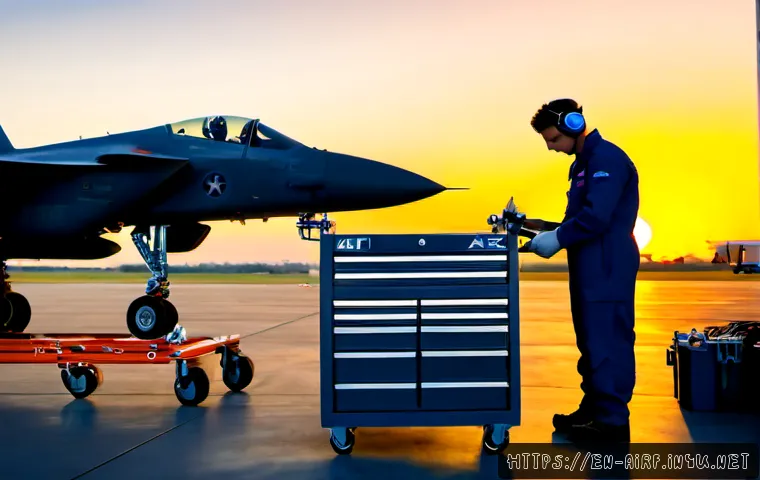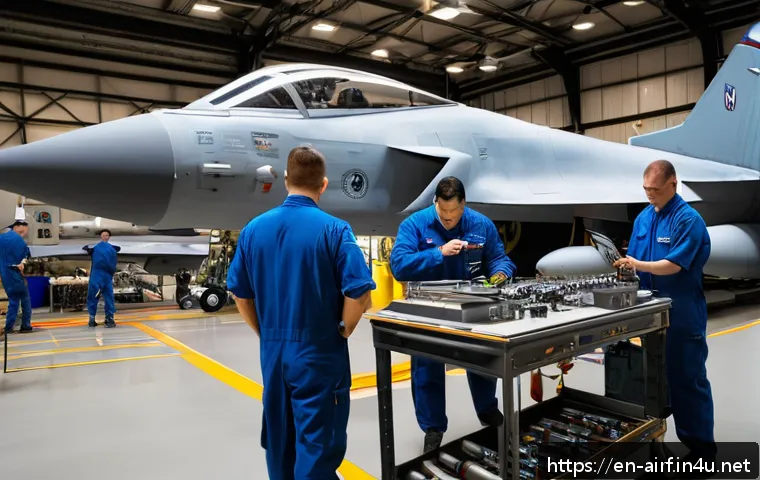
U.S. Air Force aircraft maintenance pay begins with basic pay tied to rank and years of service, not with a separate mechanic salary. Your total compensation can also include housing support, food arrangements, health care, paid leave, education benefits, and, in some cases, qualifying incentive pay.

This makes the role worth comparing as a full career package rather than against a civilian hourly wage alone. For applicants choosing between military service and aviation employment, the key questions are duty location, living situation, certification plans, and long-term career goals.
A recruiting discussion can clarify current pay tables and any specialty-specific eligibility, while civilian employers can explain wage structure, benefits, and certification requirements.
The best financial choice depends on the package you can actually verify.
At a Glance
- Basic pay is primarily based on pay grade and years of service.
- Total compensation may change with housing, food arrangements, benefits, location, and eligibility for additional pays.
- Long-term value can include technical experience, education benefits, and pathways into civilian aviation or defense work.
| Decision Factor | Active-Duty Air Force Aircraft Maintenance | Civilian Aviation Maintenance Work |
|---|---|---|
| Primary pay structure | Basic pay linked to rank and time in service | Hourly or salaried compensation set by the employer |
| Housing and food | May vary by duty station, dependency status, and living arrangements | Usually handled through personal income and employer benefits, if offered |
| Training and credentials | Military technical training and hands-on aircraft experience | May require FAA certification or employer-specific qualifications |
| Benefits to compare | Health care, paid leave, education benefits, retirement eligibility rules, installation services | Employer health plans, leave policies, retirement plans, and training support can differ |
| Career pathways | Promotion, technical specialization, leadership, aviation and defense-related experience | Commercial aviation, manufacturing, repair facilities, and contractor roles |
What Aircraft Maintenance Airmen Are Paid in the U.S. Air Force
The Quick Answer: Pay Starts With Rank and Time in Service
Aircraft maintenance Airmen are generally enlisted members, so their basic pay follows the military pay structure for their pay grade and years of service. The aircraft they work on, the maintenance environment, and the level of responsibility can shape the job experience, but they do not replace the basic pay system with a separate mechanic wage.
Officer maintenance-management roles also exist. Those roles follow officer compensation rules and often involve supervision, planning, readiness, and management responsibilities rather than the same day-to-day technical path as an enlisted aircraft maintainer.
When reviewing an offer, ask for the current information that applies to your expected entry status. Current pay tables, enlistment terms, and job availability should be confirmed directly rather than estimated from old figures or online discussions.
Why Two Mechanics Can Receive Different Total Compensation
Two Air Force mechanics with similar technical duties may not receive the same total compensation. One may be stationed in a location with different housing circumstances. Another may have dependents, use a different housing arrangement, or qualify for an assignment-related pay under current rules.
This is why comparing only a single annual salary figure can be misleading. Duty location, dependency status, housing arrangements, and eligibility conditions can all matter. A recruiter can explain the current rules, but the final amount depends on the individual situation and the applicable policy.
Base Pay Versus Total Military Compensation
Basic pay is the predictable starting point. Total military compensation is broader. It can include health care, paid leave, education benefits, access to installation services, and retirement eligibility rules in addition to possible housing and food support.
That does not mean every item should be treated as cash income. Some benefits reduce expenses or create future career options instead of increasing money in a paycheck. A useful comparison separates cash pay, allowances, benefits, and conditional incentives.
Pay Components to Compare Before You Enlist
Basic Pay, Promotions, and Years of Service
Basic pay is connected primarily to rank and time in service. Promotion and continued service can change the pay grade portion of the equation over time. For someone considering an aviation career, this structure offers a more defined advancement framework than many entry-level civilian roles, although it also comes with military service commitments and assignment needs.
Ask how your expected entry grade is determined, what the advancement path looks like for the specialty, and which performance or time-related requirements apply. Do not assume that a future promotion is automatic or that a technical job guarantees a particular timeline.
Housing and Food Support: What Can Change by Location and Status
Housing allowance eligibility and amounts can vary by duty station, dependency status, and housing arrangements. In some situations, members may receive housing support; in others, their assigned living arrangement may work differently. Food allowance or meal arrangements can also depend on the duty situation.
These components can materially affect the practical value of an offer, especially when comparing a military position with a civilian job in a high-cost area. Still, they should not be treated as a permanent, identical amount for every assignment or stage of a career.
Bonuses, Special Pays, and Why Eligibility Must Be Verified
Some assignments, skills, or deployment-related circumstances may qualify a member for additional pays or incentives. Eligibility is subject to current rules and can change. It may also depend on the specific maintenance specialty, assignment, service need, or individual qualifications.
Do not build your decision around an unverified bonus. A bonus or special pay can be useful when officially available, but it is not the same as recurring basic pay. Ask whether an incentive applies to the exact job you are considering, what conditions must be met, and whether there are service obligations attached.
Benefits That May Reduce Out-of-Pocket Living Costs
Health care, paid leave, education benefits, and installation services can reduce or offset costs that may otherwise come from personal income. Their value will differ from person to person. A single applicant, a family with dependents, and a career changer planning future education may each weigh these benefits differently.
For a careful aviation career comparison, list the benefits you would need to buy or fund yourself in a civilian role. Then compare that list against the active-duty package without assuming every benefit has the same personal value.
How Aircraft Maintenance Pay Compares With Civilian Aviation Work
Active-Duty Compensation Versus Civilian Hourly or Salaried Roles
Civilian aviation maintenance work may use hourly wages or salaries, while active-duty Air Force compensation starts with a rank-based basic pay system. A civilian role may appear stronger when only immediate wages are compared. The gap can narrow when housing support, health coverage, paid leave, training, and education benefits are included in the overall review.
The reverse can also be true. A civilian employer may offer higher immediate pay for a candidate with in-demand qualifications, experience, or certifications. The right approach is not to declare one path universally better, but to compare the actual terms of each opportunity.
FAA Certifications, Training Costs, and Transferable Technical Experience
Air Force aircraft maintenance experience can support future opportunities in commercial aviation, defense contracting, manufacturing, and technical maintenance roles. However, military experience alone may not meet every civilian hiring or licensing requirement.
Some civilian aviation maintenance positions may require FAA certification or employer-specific qualifications beyond military experience. If commercial aviation is your goal, plan early: identify the credential requirements for the roles and locations you may pursue after service. Education benefits can be relevant when certification preparation, aviation coursework, engineering study, or management training fits your career plan.
When a Civilian Job May Pay More—and When Benefits May Narrow the Gap
A civilian job may offer higher immediate wages in some markets or for applicants with sought-after credentials. But a higher wage does not automatically mean better overall financial value. Consider health care costs, paid time off, training expenses, relocation costs, retirement benefits, and how much you would need to spend on housing and food.
Use a simple comparison: separate the offer into guaranteed pay, variable support, benefits, and career-building value. This avoids comparing an active-duty package against a civilian paycheck without accounting for major expenses.
Career Steps That Can Increase Long-Term Earning Potential
Promotion, Leadership Duties, and Technical Specialization
Long-term earning potential is not only about the first assignment. Promotion can change basic pay, while leadership responsibilities and technical specialization can expand the experience you bring to future employers. Maintenance professionals who document their responsibilities, systems experience, training, and supervisory work may have a clearer record of transferable skills later.

Focus on building experience that can be explained outside the military environment. Keep track of technical tasks, completed training, leadership duties, and qualifications in language that civilian aviation, manufacturing, or defense employers can understand.
Using Education Benefits for Aviation, Engineering, or Management Training
Education benefits can add meaningful career value when used with a defined plan. Aviation maintenance, engineering, logistics, quality assurance, and management are examples of study areas that may complement maintenance experience. The best choice depends on the direction you want after service.
Before committing to a course or credential, check whether it supports your target job. A certification plan should match the hiring requirements of the civilian aviation sector, contractor role, or technical field you want to enter.
Planning for Commercial Aviation or Defense-Contractor Opportunities
Aircraft maintenance experience may support post-service paths in commercial aviation, defense contracting, manufacturing, and other technical maintenance work. Each path can have different hiring standards, security requirements, certifications, schedules, and location preferences.
Start planning before separation rather than waiting until the final months of service. Review job descriptions for roles you may want, identify missing qualifications, and use available education or training opportunities strategically. For aviation career services or certification preparation, compare what is included, what credentials are recognized, and whether the program fits your target role.
Common Compensation Mistakes to Avoid
Counting Allowances as Guaranteed Cash in Every Situation
Housing and food support can be important, but they depend on circumstances. Do not assume that an allowance amount will remain the same across duty stations, household changes, or housing arrangements. Treat it as a component that requires individual verification.
Assuming a Bonus Applies to Every Maintenance Specialty
Additional incentives may be available only for certain assignments, skills, or conditions. A general statement about military bonuses is not enough. Confirm the current incentive, the exact specialty, eligibility requirements, service obligations, and whether the offer applies when you are ready to enlist.
Comparing Jobs Without Accounting for Health Care, Training, and Relocation Costs
A civilian wage comparison is incomplete if it ignores benefits and personal expenses. At the same time, an active-duty comparison is incomplete if it treats all non-cash benefits as spendable salary. Compare both options honestly, including training costs, certification planning, possible relocation, and the lifestyle expectations attached to each path.
Selection Criteria and Comparison Summary
Best Fit for Applicants Prioritizing Training, Benefits, and Structured Advancement
Air Force aircraft maintenance may be a strong fit for applicants who value formal technical training, a rank-and-service-based pay structure, health care, paid leave, education benefits, and a structured advancement path. It can also suit someone who wants military aviation experience before pursuing commercial aviation, defense contracting, manufacturing, or technical maintenance work.
Best Fit for Applicants Prioritizing Immediate Civilian Wages
A civilian aviation maintenance position may be more appealing for applicants focused mainly on immediate wages, a preferred city, or a specific employer. This path is especially worth reviewing if you already have the required FAA certification or employer-specific qualifications. Compare the employer’s full benefits package, not only the advertised hourly rate or salary.
A Checklist for Reviewing a Recruiter’s Current Compensation Information
Compare total compensation, not base salary alone. Before deciding, review these points:
- Your expected entry pay grade and the current basic pay information.
- How housing and food arrangements may apply at your likely duty location.
- Whether any current incentive applies to your exact aircraft maintenance specialty.
- Health care, paid leave, education benefits, and retirement eligibility rules.
- Your FAA certification plan and the civilian qualifications needed for your preferred career path.
- The likely cost of relocation, training, and living expenses under each option.
For current compensation details and specialty-specific conditions, review the official recruiting information and ask for the terms that apply to your situation.
Closing Thoughts
Air Force aircraft maintenance pay is best understood as a combination of basic pay, possible allowances, benefits, and conditional incentives. The job can offer technical training and experience with value beyond the first paycheck. A civilian aviation role may offer a different financial profile, particularly when certification and local demand are factors. Compare verified terms, your personal living costs, and the career path you want several years from now.
Useful Information to Know
Keep records of your training: Technical experience, maintenance qualifications, leadership responsibilities, and completed coursework can be useful when applying for civilian aviation or defense-related roles.
Review job requirements early: FAA certification or employer-specific qualifications may be required for civilian work, even when you have substantial military maintenance experience.
Separate present value from future value: A benefit that does not increase current cash pay may still reduce expenses or help fund a later credential.
Important Considerations
Pay tables, housing support, food arrangements, incentives, enlistment terms, and specialty availability can change and depend on individual circumstances. This overview does not provide a personal compensation quote. Confirm current details for your intended rank, dependency status, duty location, maintenance specialty, and eligibility directly through official sources and prospective civilian employers.
Frequently Asked Questions
Q1. How much does an Air Force aircraft mechanic make per year?
A1. An Air Force aircraft maintenance Airman receives basic pay based primarily on pay grade and years of service. Total annual compensation may also include housing support, food arrangements, benefits, and qualifying additional pays, so there is no single figure that applies to every mechanic.
Q2. Do Air Force aircraft maintenance jobs receive bonuses or special pay?
A2. Some assignments, skills, or deployment-related circumstances may qualify for additional pays or incentives under current rules. Eligibility is not universal, so verify whether a current program applies to the exact maintenance specialty and enlistment terms you are considering.
Q3. Is Air Force aircraft maintenance a better financial choice than a civilian aviation mechanic job?
A3. It depends on the specific offers and your priorities. Active duty can include benefits, training, education support, and possible housing or food support, while civilian work may offer a different wage structure and location flexibility. Compare total compensation, certification needs, personal expenses, and long-term aviation career goals before choosing.