Air Force drone technology is advancing through better sensing, secure connectivity, and human-supervised automation—not simply larger or faster aircraft.
The most useful comparison is therefore between complete unmanned aircraft systems: the airframe, payloads, data links, ground stations, software, training, and sustainment.
For procurement teams, the commercial question is not only which defense UAV platform can fly longest, but which system can deliver reliable intelligence while operating within real communications, maintenance, and data-management constraints.
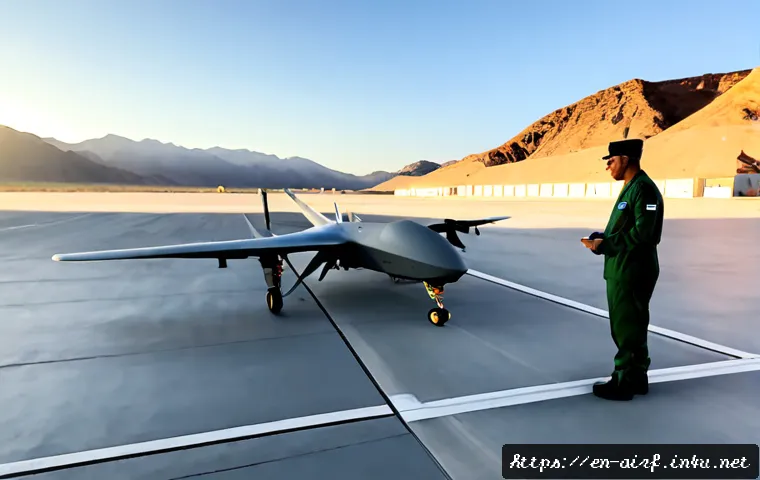
Long-endurance unmanned aircraft can support persistent surveillance over broad areas without placing an onboard flight crew at risk. Meanwhile, Collaborative Combat Aircraft concepts show how uncrewed systems may increasingly work alongside crewed platforms.
Claims about fully autonomous military operations should be treated carefully because autonomy can still involve human supervision of mission decisions.
A structured comparison helps agencies, contractors, and aerospace teams focus funding on capability that can be operated and supported over time.
At a Glance
- Drone progress is system-wide: sensors, secure data links, ground control, software, and maintenance matter as much as the aircraft itself.
- Persistent intelligence is a core advantage: long-endurance unmanned aircraft can support surveillance over large areas without an onboard crew.
- Autonomy still needs context: automation can assist navigation and sensor processing while people retain supervision of mission decisions.
| Comparison Area | Surveillance-Focused UAS | Remotely Piloted Operational Aircraft | Collaborative Uncrewed Aircraft Concepts |
|---|---|---|---|
| Primary role | Persistent intelligence, surveillance, and reconnaissance | Remotely piloted missions, including ISR and strike-related roles | Operating alongside crewed platforms in a connected force structure |
| Payload integration | Sensor payload quality and data collection are central | Sensors, mission systems, and operational payload integration matter | Interoperability with crewed aircraft and mission networks is a key consideration |
| Communications security | Reliable transfer of intelligence data is essential | Secure remote-control and mission data links are critical | Resilient networking becomes especially important in connected operations |
| Training burden | Operators need sensor, analysis, and ground-station proficiency | Remote pilots, crews, and maintainers require coordinated training | Teams need training for human-machine coordination and integrated planning |
| Lifecycle support | Maintenance, data storage, software updates, and sensor support | Spares, sustainment, ground-control systems, and software support | Architecture maturity, integration support, simulation, and long-term upgrades |
The Short Answer: Air Force Drone Progress Is About Connected Capability
The clearest way to understand Air Force drone technology is to look beyond the aircraft. A capable unmanned aircraft system depends on a connected chain: the airframe collects or carries something useful, sensors generate information, secure communications move that information, ground stations support crews, and software helps operators understand it. If one part of that chain is weak, advertised flight capability may not translate into operational value.
Better Sensors and Persistent Intelligence Collection
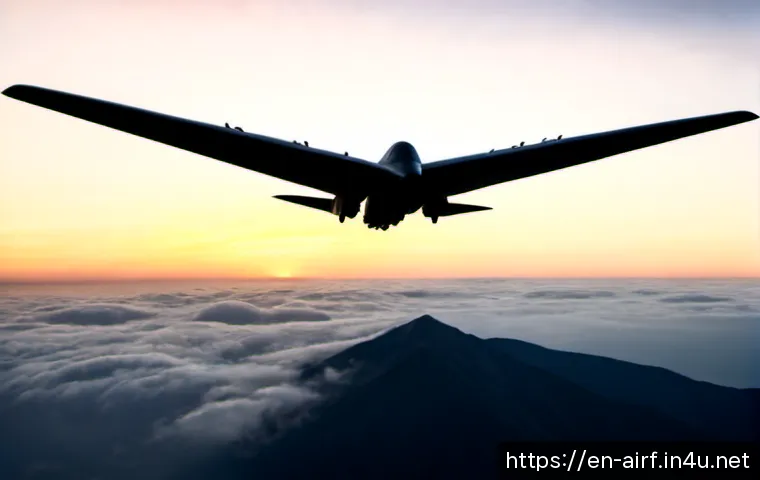
Long-endurance unmanned aircraft can support persistent surveillance over broad areas without putting an onboard flight crew at risk. That makes sensor payloads a major procurement issue. The relevant question is not merely whether a platform can carry a sensor, but whether the sensor output can be collected, transferred, processed, stored, and used by the people who need it.
When evaluating defense UAV platforms, teams should compare payload integration, sensor upgrade paths, ground-station compatibility, and data-management requirements. A platform with flexible payload options may be more useful across changing intelligence needs, but flexibility also increases the need for software integration and maintenance planning.
More Resilient Communications and Ground-Control Systems
Secure communications are a core part of remotely operated and increasingly connected aircraft systems. Data links connect the aircraft, operators, sensors, and supporting networks. Resilience against jamming and cyber intrusion is therefore not an optional technical feature; it is a central operational consideration.
Procurement reviews should ask how the ground control station, networking equipment, software, and operator workflows work together. A promising airframe can lose much of its value if the communications architecture cannot reliably support mission data or remote operations. Security claims should be assessed through documented requirements, testing evidence, and contractual support terms rather than broad marketing language.
Human-Supervised Autonomy and Crewed-Uncrewed Collaboration
Autonomy covers a wide range of functions. It can include automated navigation, sensor processing, and other machine-assisted tasks. It does not automatically mean a system independently makes decisions about the use of force. That distinction matters when discussing current military aviation and evaluating future unmanned aircraft programs.
The U.S. Air Force has publicly discussed Collaborative Combat Aircraft concepts that explore uncrewed aircraft operating alongside crewed platforms. These concepts point toward greater coordination between aircraft, operators, mission software, and communications networks. Their exact performance, readiness, procurement quantities, and deployment timelines require confirmation through official program information.
From Remote Piloting to Collaborative Uncrewed Aircraft
Unmanned aircraft are not one uniform category. A useful comparison starts by identifying the mission architecture an organization actually needs. Surveillance platforms, remotely piloted operational aircraft, and collaborative concepts can all involve unmanned flight, but they create different demands for payloads, crews, networks, and sustainment.
Surveillance and Reconnaissance Platforms
Surveillance and reconnaissance platforms are often assessed through their ability to support long-duration intelligence collection. Endurance matters, but it is only one factor. Decision-makers should also examine the sensor-to-analyst workflow: how data is collected, how it moves through secure communications, and whether the organization has enough storage and processing capacity.
A common mistake is to compare flight time without comparing the practical usefulness of the resulting intelligence. If a team cannot manage the volume of sensor data or distribute it to authorized users, additional time airborne may create more burden than benefit.
Remotely Piloted Operational Aircraft
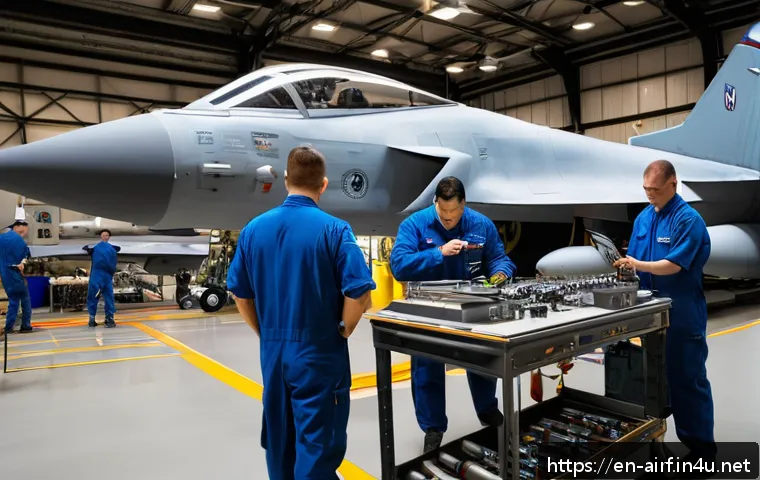
The U.S. Air Force operates remotely piloted aircraft for intelligence, surveillance, reconnaissance, and strike-related missions. These systems require more than trained remote pilots. They also depend on operators, maintenance teams, ground-control infrastructure, software, communications resilience, and established support processes.
For agencies considering an unmanned aircraft system contract or a defense technology partnership, the appropriate comparison includes training pathways, spare-parts access, maintenance support, software update procedures, and cybersecurity responsibilities. A vendor proposal should make clear which responsibilities belong to the customer, platform provider, secure networking provider, and contractor support team.
Collaborative Combat Aircraft Concepts and Their Intended Role
Collaborative Combat Aircraft concepts are best viewed as an exploration of crewed-uncrewed collaboration. Their value depends on whether uncrewed systems can integrate effectively with crewed platforms, mission planning, and secure communications. The concept is not simply about adding another aircraft; it is about building a connected capability.
Because developing systems may change during testing and acquisition, readers should avoid treating concept descriptions as proof of final operational status. Official program documentation and procurement notices are the appropriate sources for confirming maturity, timelines, and contract requirements.
What Matters Most When Comparing Military Drone Technology
A strong comparison framework turns technical features into operational questions. It helps prevent procurement decisions from being driven by a single visible metric, such as endurance or aircraft size, while less visible dependencies remain unresolved.
Mission Fit, Endurance, and Payload Flexibility
Start with mission fit. Is the priority persistent ISR, remotely piloted operations, training, or future integration with other aircraft? Endurance is valuable when a mission needs extended coverage, but it must be weighed against payload needs, support requirements, and the ability to maintain the aircraft over time.
Payload flexibility can increase long-term value when sensor requirements change. However, flexible integration may require additional engineering, software validation, operator training, and maintenance expertise. The best platform is not necessarily the one with the broadest advertised options; it is the one whose architecture matches the organization’s mission and support capacity.
Secure Data Links, Anti-Jamming Resilience, and Cybersecurity
Secure data links should be treated as a primary selection criterion. Decision-makers should examine how communications security, cyber protection, and resilience are addressed across the aircraft, ground control station, mission software, and supporting network. These issues affect both remote piloting and the transfer of sensor data.
It is also important not to assume that a generic claim of “secure” or “resilient” answers the procurement question. Requirements should specify what evidence, support arrangements, update processes, and integration responsibilities are expected. Details relating to electronic-warfare defenses may be unavailable publicly, so evaluation should stay within authorized technical and contractual channels.
Ground Stations, Software Integration, and Operator Workload
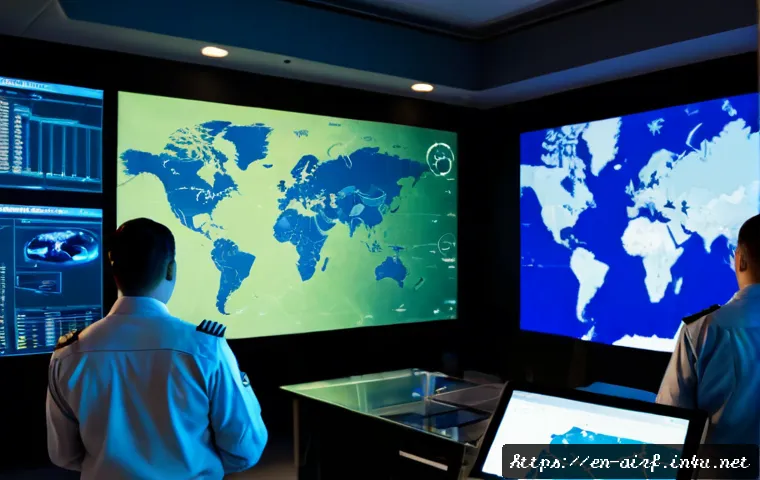
The ground control station is not a secondary accessory. It is part of the operational system. Its interface, mission software, communications connections, and compatibility with sensor feeds can influence operator workload and training needs.
Software integration should also be reviewed as a lifecycle issue. Ask how updates are managed, how data is governed, and how the platform connects to existing systems. Simulation systems can be useful for training and mission rehearsal, especially when teams need to build operator confidence before deploying a new workflow.
Cost and Value: Why the Aircraft Price Is Only One Part of the Decision

The purchase price of an aircraft can be visible and easy to compare. The broader cost of operating an unmanned aircraft system is more complex. Total value depends on whether the organization can train people, sustain equipment, protect data, maintain software, and keep the system available for its intended mission.
Lifecycle Costs: Training, Maintenance, Spares, and Upgrades
Lifecycle planning should include training, maintenance, spare parts, software support, sensor servicing, and upgrade processes. These needs may continue long after an aircraft is delivered. A lower initial platform cost can be less meaningful if support arrangements are unclear or if a customer lacks the personnel and infrastructure needed to operate the system.
Before selecting a defense UAV platform, compare the provider’s maintenance support model, technical documentation, training scope, and approach to future updates. Contract terms should identify what is included, what requires separate support, and how the organization will manage long-term availability.
Sensor, Communications, and Data-Storage Requirements
Sensor payloads and secure communications can create substantial implementation demands. Intelligence collection generates data, and that data needs secure handling, processing capacity, storage, and governance. These requirements should be planned alongside the aircraft acquisition rather than added after delivery.
Teams should map the entire data path: collection, transfer, access, storage, analysis, retention, and system updates. This approach helps reveal whether a proposed system fits existing infrastructure or requires additional investment in secure networking, data platforms, or specialized support.
When Simulation and Contractor Support May Reduce Implementation Risk
Simulation systems can support operator training, familiarization with ground-control workflows, and structured preparation for new mission processes. Contractor support may also help organizations implement maintenance, software integration, and technical documentation more consistently.
These services are not substitutes for internal capability planning. They are most useful when they close a clearly defined gap and include transparent responsibilities. When reviewing simulator providers, enterprise UAV vendors, or maintenance support partners, compare compatibility, training content, support scope, and integration obligations.
Operational Risks and Common Evaluation Mistakes
Technology comparisons can go wrong when a visible aircraft feature receives more attention than the operational system behind it. The following risks are especially relevant when assessing unmanned aircraft capability.
Treating Autonomy as a Substitute for Human Command Oversight
Automation can reduce workload in functions such as navigation and sensor processing. It should not be described casually as proof of fully independent military decision-making. Human supervision, mission rules, and operational command structures remain essential considerations.
When suppliers discuss autonomous systems, ask what functions are automated, what decisions remain human-supervised, and what training is required for operators to use those functions safely and effectively.
Underestimating Contested Communications Environments
Remotely operated aircraft depend on communications. If a comparison ignores data-link resilience, cybersecurity, and recovery processes, it leaves out a central part of operational risk. Secure connectivity must be reviewed across the full system rather than treated as a standalone feature.
This is particularly important for organizations sourcing connected platforms, sensor payloads, or ground-control technology. The evaluation should consider interfaces, support procedures, software maintenance, and authorized security validation.
Ignoring Airspace, Sustainment, and Data-Governance Constraints
Airspace integration, sustainment capacity, and data management can materially affect a drone program’s value. A system may be technically capable but difficult to operate if it does not fit available training resources, maintenance arrangements, operating processes, or data-governance requirements.
A practical review therefore includes the people and infrastructure around the aircraft. This includes operators, maintainers, analysts, secure networks, software administrators, and the processes used to manage collected information.
Selection Criteria and Comparison Summary
Before funding or sourcing a drone capability, compare these decision points:
- Mission alignment: Does the platform architecture fit surveillance, remotely piloted operations, training, or collaborative mission needs?
- Payload and data path: Can sensors be integrated, and can the resulting data be securely transferred, processed, and stored?
- Communications resilience: Are secure data links, cybersecurity responsibilities, and support processes clearly defined?
- Operator and training model: Does the organization have suitable ground stations, simulation systems, crews, and training capacity?
- Lifecycle support: Are maintenance support, spares, software updates, and contractor responsibilities realistic for the intended period of use?
- Integration readiness: Can the system connect with required software, enterprise networks, and operational workflows?
For enterprise UAV vendors, simulator providers, secure networking suppliers, and maintenance support contractors, review the official product documentation and detailed contract conditions before making a selection.
Closing Thoughts
Air Force drone technology is developing as a connected capability rather than a simple aircraft category. Better sensing, secure communications, and carefully supervised automation can all improve the usefulness of an unmanned system. But the value of any platform depends on its fit with training, sustainment, data handling, and operational requirements. The strongest decisions compare the full system from payload to ground station to long-term support.
Useful Information to Know
Persistent surveillance depends on more than endurance; it also requires usable sensor data and a reliable data-management process.
Ground control stations influence operator workload, training needs, and the practical integration of mission software.
Simulation systems may help teams prepare operators and test workflows before a new unmanned aircraft capability is introduced.
Secure networking is part of the platform decision because remotely operated and connected aircraft rely on protected communications.
Important Considerations
Specific performance, payload capacity, range, autonomy level, mission readiness, and operational procedures for current or future systems may not be publicly available. Procurement quantities, contract values, deployment schedules, and whether developing concepts enter full operational service also require verification through official sources. Public descriptions of Collaborative Combat Aircraft and other emerging programs should not be treated as confirmation of final capability.
Frequently Asked Questions
Q1. What is the biggest recent advance in Air Force drone technology?
A1. The major advance is the move toward more connected capability: improved sensing, resilient communications, stronger ground-control and software integration, and human-supervised automation. Collaborative Combat Aircraft concepts also show growing interest in uncrewed aircraft operating alongside crewed platforms.
Q2. Are Air Force drones fully autonomous?
A2. Not necessarily. Autonomy can include automated navigation and sensor processing while people continue to supervise mission decisions. It should not automatically be understood as fully independent use of force.
Q3. What should agencies compare before purchasing or contracting for an unmanned aircraft system?
A3. Agencies should compare mission fit, sensor payload integration, secure data links, cybersecurity, ground-control systems, operator training, simulation options, maintenance support, software integration, data-management capacity, and lifecycle sustainment. The aircraft itself is only one part of the decision.