Air force electronic warfare improves awareness, survivability, and access to the electromagnetic spectrum, but its value depends on more than installed hardware.
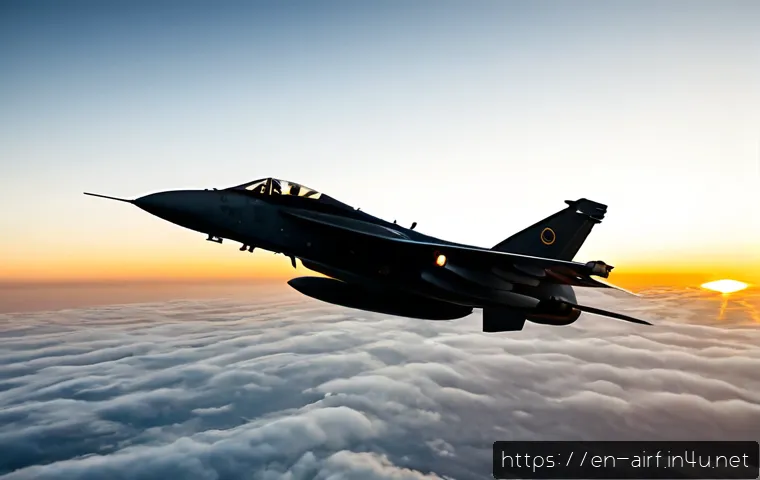
The right investment may be an onboard self-protection suite, stand-off electronic attack support, or wider spectrum-management capability, depending on aircraft roles and operational integration.
Procurement teams should compare lifecycle requirements alongside initial equipment scope. This includes avionics integration, secure communications, flight testing, software support, training, cybersecurity, and sustainment.
Defense electronics procurement decisions are strongest when they start with mission needs rather than a vendor specification sheet. No public assessment can confirm how a particular system would perform against a specific real-world threat.
At a Glance
- Onboard protection is most relevant when aircraft crews need to detect and respond to electromagnetic emissions during a mission.
- Stand-off electronic attack can support a wider force, but it brings platform, command-and-control, and interoperability requirements.
- Spectrum-management investment matters when the priority is shared awareness, secure communications, software updates, and allied coordination.
| Capability category | Primary mission value | Integration burden | Lifecycle cost drivers | Key procurement question |
|---|---|---|---|---|
| Onboard self-protection suite | Supports aircraft survivability and crew awareness | High: aircraft sensors, mission computer, cockpit alerts, power, cooling | Flight testing, certification, threat-library support, training | Can the suite work as part of the aircraft mission system rather than as an isolated add-on? |
| Escort or stand-off electronic attack | Supports force-level spectrum effects and mission access | High: payload, networking, planning tools, command-and-control links | Software support, mission planning, crew training, sustainment | How will the platform coordinate with joint, allied, and airborne forces? |
| Passive sensing and spectrum awareness | Improves detection, identification, and electromagnetic understanding | Moderate to high: data handling, secure networks, analyst workflows | Data governance, software refresh, test capability, secure communications | Can collected information be shared securely and used quickly enough for the mission? |
What Electronic Warfare Delivers for Air Operations
The Immediate Answer: Awareness, Survivability, and Spectrum Access
Electronic warfare, or EW, helps air forces operate in an electromagnetic environment shaped by radar, communications, and other emissions. At a high level, it can provide awareness of emissions, support protective responses, and help forces manage access to the spectrum. For an aircraft crew, the practical question is simple: what is being detected, how is it identified, and what information or response is available within the aircraft’s mission system?
The caution is that awareness alone is not a complete capability. It must be connected to cockpit alerts, crew procedures, mission planning, secure communications, and command-and-control networks. A warning receiver with unclear alerts or weak integration may create workload without delivering a usable decision advantage.
Electronic Support, Attack, and Protection in Plain Language
Electronic support concerns detecting, identifying, and understanding electromagnetic emissions. Electronic attack involves actions intended to affect an adversary’s use of the spectrum. Electronic protection concerns measures that help friendly systems continue to operate despite electromagnetic interference or threat activity.
These categories overlap in real acquisition planning. A self-protection package may bring together warning receivers, countermeasure dispensers, jamming equipment, mission computers, and cockpit alerts. The procurement value comes from how those elements work together, not from any single equipment label.
Why Capability Depends on People, Software, and Aircraft Integration
A modern airborne EW program is not merely an avionics installation. Its effectiveness depends on aircraft integration, trained crews, updated software, threat-library management, and realistic test capability. It also depends on whether the output can be understood and acted on by pilots, mission commanders, and supporting units.
For this reason, acquisition teams should ask for evidence of integration pathways and support processes. Hardware specifications may matter, but they do not replace a credible plan for software updates, secure data handling, training platforms, and aircraft-level testing.
Comparing Airborne EW Capability Categories
Onboard Self-Protection Suites
Onboard self-protection systems are designed around the needs of the individual aircraft and crew. They may combine warning, countermeasure, jamming, processing, and alerting functions. This category is especially relevant where aircraft must carry their protection capability with them rather than rely solely on external support.
The core evaluation issue is integration. Teams should examine power and cooling margins, aircraft weight and payload effects, cockpit workload, mission-computer interfaces, and certification requirements. A suite that fits physically may still impose substantial changes on wiring, software, displays, or flight-test activity.
Escort and Stand-Off Electronic Attack Platforms
Escort and stand-off electronic attack approaches address a broader mission context. Rather than focusing only on one aircraft’s defensive package, they can support force-level planning and coordinated operations. Their value often depends on links to other aircraft, joint services, allied forces, and secure communications networks.
These programs should be assessed as a mission system, not only as a payload. Procurement teams should evaluate mission planning tools, training demands, command-and-control connectivity, support equipment, and sustainment arrangements. Specific performance against any real-world threat cannot be assumed from public descriptions.
Passive Sensing, Signal Intelligence, and Spectrum Awareness
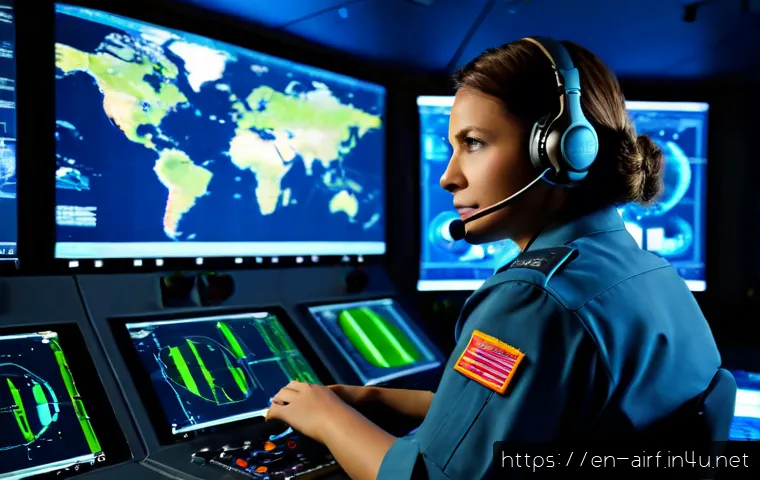
Passive sensing and spectrum-awareness tools can help operators detect and identify emissions without centering the evaluation on a direct response function. Their value grows when information can move securely from the aircraft to commanders, analysts, and other authorized users.
The practical constraint is data. Teams need to assess collection workflows, data governance, cybersecurity, secure communications, and interoperability. A strong sensor may have limited operational value if the information cannot be protected, interpreted, or shared in time for decision-making.
Comparison Table: Mission Value, Integration Effort, and Lifecycle Burden
The table above highlights an important procurement distinction: the equipment with the lowest apparent entry cost may not have the lowest total ownership cost. An airborne self-protection system can require deep aircraft modification. A broader spectrum-awareness program can shift cost toward secure networks, software support, training, and test infrastructure. Each capability category should therefore be compared against the mission it must support.
Cost and Value Drivers in Modernization Programs
Hardware Is Only One Part of the Budget
The quoted equipment price is only one part of an EW modernization decision. A meaningful capability-to-cost framework separates acquisition hardware from integration engineering, flight testing, certification, training, software support, secure communications, cybersecurity, and long-term sustainment.
This matters in defense electronics procurement because the aircraft itself may need modification before the system can deliver usable mission value. Procurement teams should request a clear boundary between supplied equipment and the work needed to make it operational within a specific fleet.
Integration, Flight Testing, Certification, and Training Costs
Integration may involve mission computers, cockpit displays, warning logic, aircraft wiring, antenna placement, power supply, cooling, and interactions with existing sensors. Flight testing and certification add further complexity because the system must operate as part of the aircraft configuration, not simply as a standalone device.
Training is equally important. Crews, maintainers, mission planners, and command-and-control personnel may all need different forms of preparation. Simulation and training platforms can therefore be a central element of program value, particularly when the goal is repeatable crew proficiency and safe evaluation of system behavior.
Software Updates, Threat Libraries, and Sustainment Planning
Threat environments change over time. That makes software update processes, threat-library management, test tools, and sustainment planning central to the modernization case. An initial installation may appear complete, yet its future value can depend on whether updates can be validated, distributed securely, and incorporated into training.
Decision-makers should ask who manages updates, how they are tested, what cybersecurity controls apply, and how the fleet will maintain configuration consistency. The appropriate answers will vary by country, platform, and acquisition framework.
When a Lower Initial Price Can Create Higher Long-Term Cost

A lower initial bid can become more expensive if it leaves unresolved work for integration, certification, secure interoperability, or future software support. Likewise, a system with limited upgrade flexibility may create pressure for major replacement when missions or electromagnetic conditions evolve.
The better comparison is not “which option costs less today?” It is “which option offers the most credible lifecycle value for the intended mission, fleet, support model, and upgrade path?”
Implementation Risks and Common Evaluation Mistakes
Treating Electronic Warfare as a Bolt-On Subsystem
The most common mistake is treating EW as a self-contained box that can be added after aircraft and mission decisions are already fixed. EW is connected to sensors, mission systems, tactics, cockpit workflow, secure networks, and command-and-control arrangements. A bolt-on mindset can hide integration cost and delay operational usefulness.
Underestimating Power, Cooling, Weight, and Cockpit Workload
Airborne systems compete for aircraft resources. Power, cooling, weight, payload capacity, and crew attention should be reviewed early. These constraints can influence installation feasibility, mission endurance, maintenance requirements, and aircraft configuration choices.
Ignoring Cybersecurity, Data Governance, and Secure Interoperability
EW systems process sensitive mission information and may exchange data across aircraft, ground facilities, and allied networks. Cybersecurity and data governance should be evaluated as core requirements, not late-stage compliance tasks. Interoperability must also be considered carefully where joint services and partner forces are expected to operate together.
Separating Procurement Decisions From Training and Test Infrastructure
A system without realistic testing, simulation, and training support may be difficult to sustain. Procurement teams should assess whether the proposal includes practical pathways for software validation, crew training, maintenance preparation, and ongoing system evaluation.
Mission-Based Planning for Different Aircraft Fleets
Fighters and Strike Aircraft
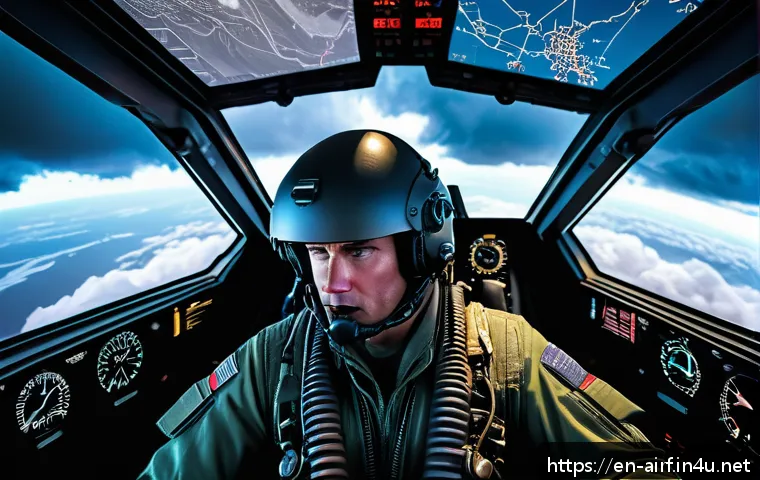
Fighters and strike aircraft often place a premium on compact integration, rapid crew awareness, aircraft survivability, and mission-system compatibility. Their evaluation should focus on cockpit workload, sensor coordination, payload constraints, and the ability to update software and threat libraries over time.
Transport, Tanker, and Special-Mission Aircraft
Transport, tanker, and special-mission fleets may emphasize defensive awareness, secure communications, and interoperability across a broader operating network. Their size or mission duration does not remove integration challenges; it changes the balance among crew roles, aircraft resources, support requirements, and connectivity needs.
Intelligence, Surveillance, and Reconnaissance Platforms
For intelligence, surveillance, and reconnaissance aircraft, passive sensing and spectrum awareness may be particularly relevant. The procurement focus should include data quality, secure processing, analyst workflows, network connectivity, and governance for collected information.
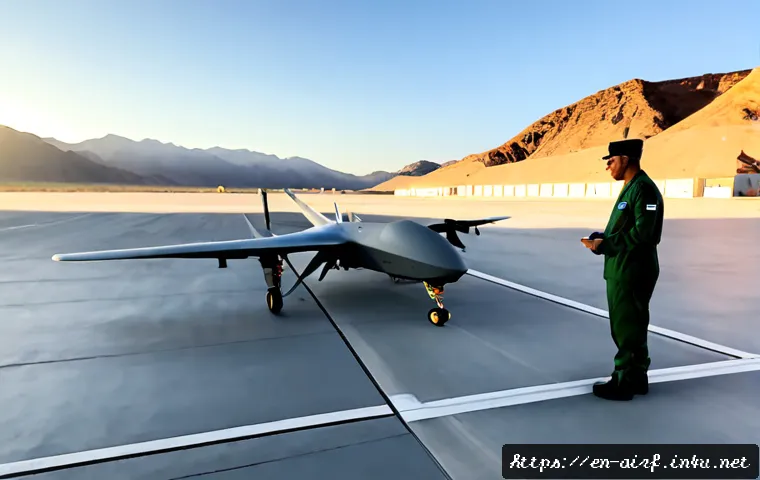
Unmanned Aircraft and Distributed Sensing Roles
Unmanned aircraft can contribute to distributed sensing and networked awareness, but their value depends on secure control links, data handling, command-and-control integration, and clear operational roles. Teams should avoid assuming that an unmanned platform removes the need for robust software, cybersecurity, test capability, or human analysis.
Selection Criteria and Comparison Summary
Before requesting a vendor briefing, compare these decision points:
- Mission fit: Define the aircraft role, expected operating environment, and required level of crew or force-level support.
- Integration readiness: Review interfaces with sensors, mission computers, cockpit alerts, secure communications, power, cooling, and aircraft certification.
- Lifecycle support: Separate equipment scope from training, software updates, threat-library management, test capability, maintenance, and sustainment.
- Interoperability: Confirm how the capability is expected to work with joint services, allied forces, ground-based systems, and authorized networks.
- Upgrade flexibility: Ask how future software, cybersecurity, and configuration changes will be managed and validated.
For official specifications, support conditions, and integration assumptions, review the relevant program or supplier documentation before comparing options.
Closing Thoughts
Air force electronic warfare modernization is a systems decision rather than a simple equipment purchase. The most useful comparison begins with the mission, then tests whether the aircraft, crew, software, networks, and sustainment model can support that mission. A balanced evaluation recognizes both the value of airborne self-protection systems and the wider requirements of spectrum operations. Public information can support structured planning, but classified performance and country-specific acquisition requirements require authorized review.
Useful Information to Keep in Mind
First: A warning or sensing function is more useful when it is integrated into clear crew procedures. Second: Simulation and training platforms can be as important as installed avionics for sustained readiness. Third: Software support and threat-library processes should be reviewed early, not after hardware selection. Fourth: Secure communications and interoperability can determine whether information produces force-level value.
Important Limitations
This overview does not assess classified capabilities, frequencies, operational tactics, current contract values, vendor selections, program schedules, export controls, or fleet deployment details. It also does not establish whether any platform can defeat a specific threat in combat. Procurement and operational decisions should be validated through authorized technical, legal, security, and acquisition channels.
Frequently Asked Questions
Q1. What is the difference between electronic support, electronic attack, and electronic protection?
A1. Electronic support involves detecting and identifying electromagnetic emissions. Electronic attack involves actions intended to affect an adversary’s use of the spectrum. Electronic protection involves measures that help friendly systems continue operating in a contested electromagnetic environment.
Q2. Why can an aircraft electronic warfare upgrade cost more than the hardware itself?
A2. Hardware may require aircraft integration, flight testing, certification, cockpit and mission-system changes, training, secure communications, cybersecurity work, software support, and long-term sustainment. Those activities can be major parts of total ownership cost.
Q3. What should procurement teams compare when evaluating airborne self-protection systems?
A3. Teams should compare mission fit, sensor and mission-system integration, power and cooling needs, cockpit workload, certification requirements, software and threat-library support, cybersecurity, interoperability, training, testing, and long-term upgrade flexibility.