Air Force aircraft maintenance training generally moves from initial military instruction to technical training and then supervised qualification in an operational unit.
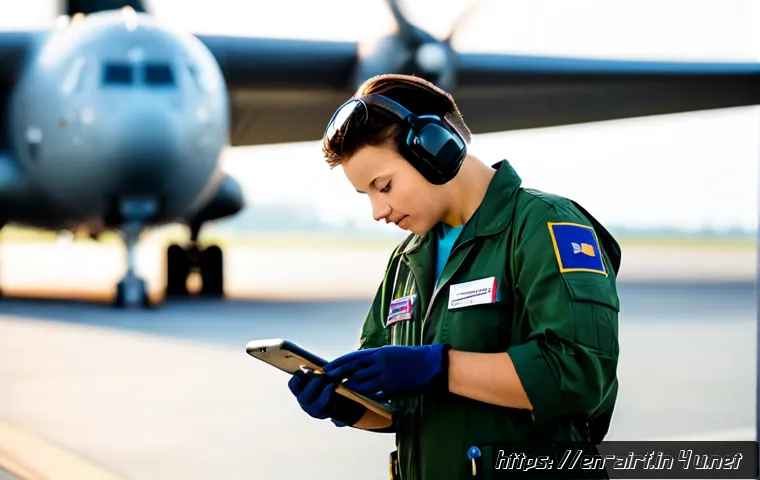
The best way to prepare is to compare the specialty’s physical demands, technical reading workload, shift expectations, and civilian career relevance before making a commitment.
This path can suit people who enjoy structured troubleshooting, careful procedures, and hands-on work around complex equipment. It is not only about repairing aircraft; safety, documentation, inspections, and team communication are central parts of the job.
Exact training length, locations, modules, and entry conditions can vary by specialty, assignment needs, and current policy. Applicants should also verify certification and education options before assuming military experience will transfer directly to a civilian license.
At a Glance
- Aircraft maintenance training commonly progresses from military fundamentals to technical instruction and supervised unit-level qualification.
- Safety procedures, technical documentation, tool control, and inspection discipline matter as much as mechanical ability.
- Before choosing a specialty, compare the work schedule, physical demands, training pathway, and potential civilian credential options.
| Training Stage | Typical Focus | Practical Demands | Transferable Skills | Questions to Ask |
|---|---|---|---|---|
| Initial military instruction | Military standards, fitness, discipline, and teamwork | Following structured rules and adapting to a new routine | Professional communication, accountability, time management | What preparation is expected before training begins? |
| Technical training | Aircraft systems, maintenance procedures, technical publications | Technical reading, classroom learning, practical tasks | Diagnostics, process control, technical documentation | Which systems or maintenance areas does this specialty cover? |
| Unit-level qualification | Supervised maintenance work and task qualification | Shift work, teamwork, detailed inspections, disciplined tool use | Hands-on maintenance experience, quality awareness, troubleshooting | How are qualifications tracked in the first assignment? |
How Air Force Aircraft Maintenance Training Typically Works
The progression from initial military instruction to technical training
Aircraft maintenance preparation is best understood as a sequence rather than one course. Initial military instruction establishes the standards needed to work in a structured service environment. After that, technical training introduces the knowledge and procedures associated with a particular maintenance specialty. The exact school, length, and course modules are not fixed across every Air Force specialty, so applicants should confirm current details before listing a job preference.
Technical instruction is where a trainee begins connecting mechanical concepts with formal maintenance procedures. That may include learning how to interpret technical publications, follow a prescribed sequence, identify discrepancies, and communicate findings clearly. A person who is comfortable learning from written instructions may have an advantage, but hands-on curiosity alone is not enough. The job requires repeatable, documented work—not informal trial and error.
How supervised unit-level qualification builds real maintenance experience
Completing technical training does not mean a new maintainer immediately works without oversight. Unit-level qualification typically builds capability through supervised tasks, local procedures, and demonstrated proficiency. This stage matters because an operational environment adds real scheduling pressures, coordination with other personnel, and the responsibility to follow established maintenance controls.
For an applicant, this is an important expectation to set early. The learning process continues after formal schooling, and progress depends on attention to detail, communication, and willingness to ask questions when a procedure is unclear. A strong fit is someone who can accept feedback without taking it personally and who understands that careful work can be more valuable than fast work.
Why safety, documentation, and inspection discipline matter as much as mechanical ability
Aircraft maintenance is not simply a test of whether someone can remove, replace, or troubleshoot a component. Maintenance actions need to be performed within approved procedures, recorded correctly, and checked through the appropriate process. Safety and documentation are part of the maintenance task itself.
Applicants sometimes focus only on aircraft, engines, tools, or mechanical systems when comparing career fields. A more useful question is whether they can consistently follow rules even during repetitive work, busy shifts, or changing conditions. Someone who dislikes detailed records, checklists, or inspections may find another technical specialty more suitable.
What Trainees Learn Before Working on Operational Aircraft
Aircraft systems, maintenance procedures, and technical publications
Training may cover aircraft systems and the procedures used to inspect, service, diagnose, or maintain them. The specific subject matter depends on the assigned specialty. Rather than assuming all aircraft maintenance jobs are alike, compare whether a role is centered on broader aircraft maintenance, a particular system, inspection-related work, or another specialized function.
Technical publications are especially important because they provide the approved information needed to complete tasks correctly. Reading carefully is a practical skill, not merely an academic requirement. Applicants who want to prepare can strengthen their comfort with technical vocabulary, diagrams, step-by-step instructions, and precise written communication. Optional study resources can help with those basics, but they should complement—not replace—official training.
Tool control, quality assurance, and maintenance records
Tool control and maintenance records may sound less exciting than diagnosing an aircraft issue, yet they are central to a disciplined maintenance environment. Knowing where equipment is, using it correctly, and returning it through the required process supports accountability. In the same way, accurate records help establish what work was performed and what follow-up may be needed.
Quality assurance and inspection expectations reinforce the same principle: a task is not complete merely because it appears complete. For prospective recruits, this is a useful selection criterion. If you value organized workspaces, clear procedures, and verification steps, aircraft maintenance may be a stronger match than a role built around less structured problem solving.
Physical readiness, shift work, and team communication expectations
Aircraft maintenance can involve physical activity, practical work conditions, and schedules that may not resemble a standard daytime office routine. The exact demands depend on the specialty and assignment, but applicants should not choose solely from a job title or aircraft interest. Ask about the general work environment, scheduling patterns, teamwork expectations, and any specialty-specific physical considerations.
Communication is also operationally important. Maintainers may need to relay technical information, coordinate task status, and make sure another person understands what was found or completed. Clear communication protects both quality and safety. People who prefer independent work can still succeed, but they should be ready for a team-based process.
Compare the Training Commitment, Career Value, and Preparation Costs
Factors that affect training time and specialization options
Training time and available specialization options can vary by Air Force specialty code, current policy, and assignment requirements. Do not rely on a general timeline found online as a guarantee. Instead, ask for the current description of the specialty, the broad training sequence, and what factors may affect the path after initial training.
Career value also depends on what you want after military service. One applicant may prioritize direct aircraft exposure, while another may value broader diagnostics, documentation, logistics, manufacturing, or technical support experience. There is no universally “best” maintenance specialty. The better choice is the one that matches your interest in the work and your longer-term career plan.
Military-provided training versus optional personal study materials
Military training is designed to provide the required instruction for the role. Personal purchases are therefore not automatically necessary. However, some applicants may find value in optional study materials that improve technical reading, basic mechanical understanding, test preparation, or familiarity with aviation terminology.
Before spending money, identify the actual gap. If your concern is entrance testing, compare reputable test-prep resources. If you are exploring a future aviation maintenance career, compare aviation education options and introductory learning materials carefully. Avoid buying tools or certification courses simply because they appear related to aircraft maintenance. Buy preparation resources only when they solve a specific preparation need.
Transferable skills for civilian aviation, manufacturing, and technical support roles

Aircraft maintenance experience may develop skills that can be relevant to civilian aviation, manufacturing, industrial maintenance, quality control, and technical support roles. Useful capabilities can include procedural discipline, troubleshooting, documentation, inspection awareness, and working within a safety-focused team.
That said, civilian employers, licensing authorities, schools, and credential programs may have their own requirements. Military experience should not be treated as an automatic substitute for every civilian license or certification. If civilian aviation is your long-term goal, begin credential planning early and confirm eligibility rules with the relevant licensing authority and education office.
Application and Training Mistakes to Avoid
Choosing a specialty based only on job title
“Aircraft maintenance” covers more than one type of work. A title may sound appealing while the daily responsibilities, technical focus, or schedule do not match what you expected. Ask what systems, procedures, and unit-level responsibilities are generally associated with the specialty. Then compare those answers with your own preferences for diagnostics, physical work, documentation, and teamwork.
Underestimating technical reading, safety rules, and detailed documentation
A common mistake is assuming practical ability is all that matters. In reality, maintaining complex equipment requires careful reading, consistent procedural compliance, and accurate records. If those areas are weaker today, that does not rule out the field. It simply means preparation should include improving concentration, note-taking, technical reading, and the habit of checking work before moving on.
Assuming civilian licenses or certifications transfer automatically
Military technical experience can be valuable, but civilian certification eligibility and credential-transfer rules need separate confirmation. Requirements can differ by credential, authority, education history, and current policy. Build a civilian career plan around verified information rather than assumptions. This is particularly important before paying for an aviation school, exam preparation package, or credential evaluation service.
Which Applicants May Be a Good Fit for Aircraft Maintenance
Candidates who prefer hands-on diagnostics and structured procedures
Aircraft maintenance may fit applicants who enjoy identifying problems, working with equipment, and following established technical steps. A good candidate does not need to know everything before joining. More important qualities include patience, reliability, curiosity, and respect for procedures.
Applicants considering long-term aviation or engineering-adjacent careers
This path may also appeal to people considering aviation, industrial systems, manufacturing, quality-focused work, or other engineering-adjacent fields later on. The practical experience can help clarify what type of technical work you enjoy. It can also show whether you prefer direct maintenance, inspections, technical documentation, logistics, or another related direction.
When another Air Force technical field may be a better match
Another technical field may be a better match if you strongly prefer computer-focused work, laboratory environments, communications systems, or a role with less hands-on mechanical activity. Aircraft maintenance is not inferior or superior to those paths; it simply has different demands. The best decision comes from comparing the actual training and work style rather than chasing a broad label.
Selection Criteria and Comparison Summary
Before listing an aircraft maintenance specialty, use this checklist:
- Can you handle structured procedures, technical reading, and detailed records every day?
- Have you asked about the general physical demands, work environment, and shift expectations?
- Does the specialty’s technical focus match your interest: diagnostics, systems work, inspections, or broader maintenance support?
- Are you comparing optional study resources based on a real need rather than buying materials at random?
- Have you separated military training value from civilian certification requirements?
- Does the path support your longer-term aviation, manufacturing, or technical career plan?
If you are comparing study resources, aviation education programs, or credential pathways, review the official eligibility details and current conditions on the relevant provider or authority page before paying for anything.
Final Thoughts
Air Force aircraft maintenance training can offer a structured route into technical work, but it requires more than an interest in planes. The strongest applicants understand the importance of safety, documentation, teamwork, and continued qualification after formal technical training. Compare specialties carefully, ask direct questions, and plan civilian credentials using verified requirements. That approach is more useful than choosing a role based on its title alone.
Useful Information to Keep in Mind
Preparation does not need to be expensive. Focus first on fitness, technical reading, attention to detail, and a realistic understanding of the work environment. If you later consider test-prep materials, aviation education, or certification planning, choose resources that match a clearly defined goal. Keep records of training and experience where appropriate, since they may be useful when evaluating future education or career options.
Important Notes
Exact training length, school location, entry requirements, course content, assignment conditions, pay, bonuses, incentives, and benefits can change. They may also differ by specialty code, assignment needs, contract terms, and current policy. Civilian licensing and certification transfer should be confirmed directly with the relevant licensing authority and education office. This guide is general information, not a guarantee of placement, qualification, credential eligibility, or career outcome.
Frequently Asked Questions
Q1. How long does U.S. Air Force aircraft maintenance training take?
A1. The timeline can vary by Air Force specialty code, training requirements, assignment needs, and current policy. Ask for the current training sequence for the specific aircraft maintenance specialty you are considering rather than relying on one general estimate.
Q2. Is aircraft maintenance a good Air Force job for a civilian aviation career later?
A2. It may provide relevant technical experience in areas such as procedures, troubleshooting, documentation, inspections, and safety-focused work. However, civilian aviation roles and licenses can have separate eligibility requirements, so confirm credential pathways with the appropriate licensing authority and education office.
Q3. Do Air Force aircraft maintainers need to buy their own tools or training materials?
A3. Required military training is provided through the service, while personal study materials may be optional. Before buying anything, identify whether you need test preparation, technical reading practice, aviation education, or information about a civilian credential pathway.