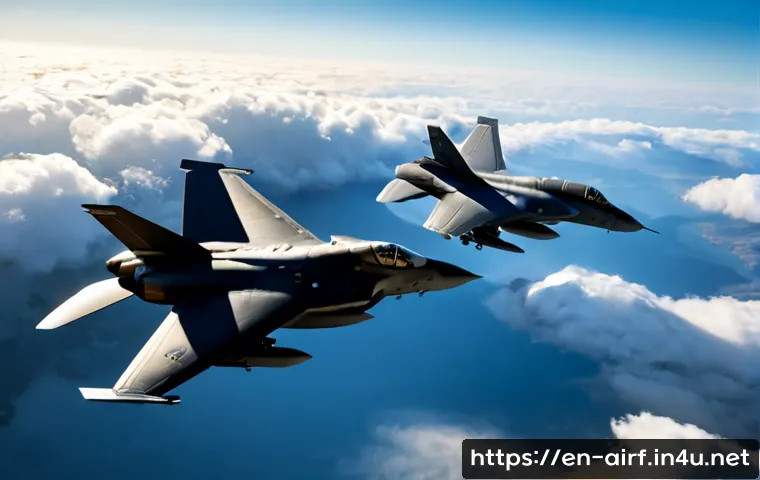
Air combat concepts describe how air forces seek control of the air, protect airspace, and support wider military operations. They are not limited to fighter-versus-fighter engagements; trained people, maintenance, logistics, communications, intelligence, and command systems all matter.

For students and aviation readers, the most useful starting point is to separate air superiority, air defense, and joint support before studying aircraft or historical campaigns.
This framework also makes it easier to compare defense studies courses, aviation books, and flight simulation tools without treating any one resource as a complete answer.
A good learning choice depends on curriculum depth, instructor credentials, practical context, available time, and budget. Specific doctrines and operational procedures vary by country and may not be publicly available.
At a Glance
- Mission: Air combat concepts focus on gaining usable control of the air, protecting airspace, and supporting broader objectives.
- Supporting systems: Aircraft depend on personnel, maintenance, logistics, communications, command-and-control, and situational awareness.
- Learning takeaway: Study mission purpose and constraints first, then compare aviation education resources by depth, credibility, realism, and budget.
| Mission Area | Main Purpose | Key Decision Factors | Useful Learning Resources |
|---|---|---|---|
| Air Superiority | Create a degree of control that permits friendly operations while limiting interference by an opponent. | Situational awareness, available support systems, objectives, geography, and constraints. | Airpower doctrine texts, strategic studies courses, historical campaign analysis. |
| Air Defense | Protect airspace and assets through detection, identification, command-and-control, and interception functions. | Detection and identification processes, communications, command decisions, and airspace requirements. | Aviation reference books, museum education programs, introductory defense studies courses. |
| Joint Support | Contribute air capabilities to land, maritime, space, cyber, and intelligence functions. | Coordination needs, political objectives, rules of engagement, and wider operational priorities. | Joint operations coursework, professional reference materials, scenario-based simulations. |
What Air Combat Concepts Mean in Modern Airpower
The Short Answer: Control, Protection, and Support
At the broadest level, air combat concepts explain how an air force may pursue air superiority, defend national or coalition airspace, and support wider military objectives. Air superiority is commonly understood as a degree of control that allows friendly operations while limiting an opponent’s ability to interfere. It is a mission-oriented idea, not simply a statement about which aircraft appears stronger on paper.
This distinction matters for learners. A course or book that focuses only on aircraft performance can be interesting, but it may not explain why airpower is used, how decisions are coordinated, or what limits the use of force. Look for materials that connect aircraft to missions, command systems, and operational context.
Why Air Combat Is Broader Than Fighter Engagements
It is easy to picture air combat as a contest between fighters. That image is incomplete. Air operations can include airspace protection, surveillance, command-and-control, intelligence support, and coordination with forces operating in other domains. The practical question is often not only “What can an aircraft do?” but also “What objective does the operation serve?”
For aviation students, this is a useful filter when selecting a defense studies course. A balanced curriculum should distinguish broad mission concepts from detailed tactical procedures. Public educational resources can explain doctrine and historical context without claiming to reveal classified tactics or current contingency plans.
The Systems Behind Aircraft Operations
Modern airpower depends on more than aircraft. Trained personnel, logistics, maintenance, communications, and situational awareness all affect whether an air force can conduct and sustain operations. An aircraft inventory alone does not show readiness, availability, or operational effectiveness.
When comparing aviation reference materials, favor resources that acknowledge these supporting systems. A useful book, online course, or simulator guide should explain how aircraft fit within a larger organization rather than presenting technology as a stand-alone answer.
Core Missions: Air Superiority, Air Defense, and Joint Support
Comparing Mission Purpose, Decision Factors, and Constraints
Air superiority concerns the degree of control needed for friendly operations. Air defense concerns protecting airspace and assets through functions that can include detection, identification, command-and-control, and interception. Joint support concerns how air operations contribute to land, maritime, space, cyber, and intelligence functions.
Each mission has different decision factors. Geography can influence airspace concerns. Alliance commitments can affect coordination needs. National doctrine and aircraft inventories may shape priorities. Political objectives and legal constraints can also narrow what is possible. These factors are why no single country’s approach should be treated as a universal playbook.
How Intelligence, Surveillance, and Command Networks Support Missions
Detection and identification are central to air defense, but information also supports wider air operations. Command-and-control links people, information, and decisions. Situational awareness helps leaders understand an evolving picture and coordinate activity across relevant forces.
For learners, the important point is conceptual: information and command systems support decisions, while aircraft carry out assigned roles within that framework. Avoid sources that turn public discussion of these functions into confident claims about current procedures, targeting processes, or real-time capabilities.
Why Logistics and Maintenance Affect Airpower Outcomes
An air force cannot be understood only through aircraft specifications. Maintenance, logistics, communications, and trained personnel influence whether aircraft can be prepared and supported over time. This is especially important when reading comparisons that rank forces solely by fleet size or platform type.
Aviation education resources that include sustainment topics often provide more practical context. Before purchasing a professional reference guide or enrolling in a course, review whether the syllabus covers organizations, readiness factors, and support systems alongside air combat history.
Evaluating Training, Courses, and Aviation Reference Materials
Comparison Criteria: Academic Depth, Practical Context, Cost, and Time Commitment
There is no universally best aviation course or defense studies program. The right option depends on your goal. A student may need academic depth and clear reading lists. An enthusiast may prefer accessible history and museum-led learning. A professional trainee may need structured instruction and a credible instructor-led environment.
Compare curriculum depth, instructor credentials, practical context, required time, and total budget. A low-cost resource can be valuable for introductory study, while a more structured program may be worth considering when feedback, formal instruction, or a defined learning path is important.
Books, Online Courses, Museum Programs, and Flight Simulators
Books can provide depth, especially when they explain doctrine, history, and organizational context. Online courses may offer structure and convenient pacing. Museum programs can make aviation history more tangible. Flight simulators can help users explore aircraft handling, cockpit workload, and scenario awareness in a safe setting.
However, a simulator is not a substitute for official operational training or a complete source of airpower doctrine. Its educational value depends on how realistically it represents the topic being studied and whether the learner uses it alongside credible reference materials.
Avoiding Oversimplified or Unverified Military Aviation Content
Be cautious with content that promises secret insight, claims certainty about current readiness, or presents unverified comparisons as fact. The exact doctrine, aircraft availability, operational procedures, and real-time capabilities of a specific air force may be unknown or non-public.
Prefer materials that identify their scope. Strong aviation education does not need exaggerated claims. It should distinguish documented historical discussion from speculation about present-day operations.
Limits, Legal Considerations, and Common Misunderstandings
Doctrine Is Not a Universal Playbook
Air combat concepts vary because countries have different doctrines, geography, aircraft inventories, and alliance commitments. A broad framework can help readers compare ideas, but it cannot establish the exact approach of any particular air force.
This is why public doctrine should be read as a guide to concepts and priorities, not as a detailed manual for current operations. Specific tactics and contingency plans may be classified, unavailable, or subject to change.
Political Objectives and Rules of Engagement

Airpower is shaped by more than military capability. Political objectives, international law, and rules of engagement can influence how air forces are employed. These considerations may affect mission choices, coordination requirements, and the limits placed on action.
Students should include these constraints in any serious study plan. A resource that discusses airpower without legal or political context may offer only part of the picture.
Why Aircraft Specifications Alone Do Not Determine Effectiveness
Aircraft specifications can be useful for technical comparison, but they do not independently determine effectiveness. Personnel, maintenance, logistics, communications, command systems, intelligence, and mission conditions all matter. A narrow platform comparison can therefore create a misleading impression of air combat.
When evaluating aviation content, ask whether it explains the relationship between technology and the system that supports it. That question often separates a useful reference from a simplified ranking exercise.
Learning Paths for Students, Enthusiasts, and Professional Trainees
Starting With Airpower History and Strategic Studies
Beginners can start with broad airpower history, strategic studies, and publicly available doctrine overviews. This creates a vocabulary for understanding air superiority, air defense, joint operations, command-and-control, and sustainment.
Do not rush into highly technical material if the mission framework is still unclear. A structured foundation makes later aircraft-focused reading easier to interpret.
Building a Structured Study Plan Without Relying on Tactical Manuals
A practical study plan can move from broad concepts to applied examples. Begin with mission definitions. Next, study how command networks, intelligence, logistics, and maintenance support those missions. Then use historical cases or simulation-based learning to test your understanding of constraints and trade-offs.
Keep the focus on public, credible material. Tactical manuals, classified procedures, and current operational details are neither necessary nor appropriate for a general understanding of air combat concepts.
When Instructor-Led Education May Be Worth the Cost
An instructor-led aviation or defense studies course may be useful when you need a fixed schedule, guided discussion, feedback, or a clearly organized curriculum. Before committing, check the instructor’s relevant credentials, the stated learning outcomes, course format, and the expected time commitment.
If your aim is personal knowledge, a combination of reputable books, public lectures, museum programs, and carefully chosen simulation tools may be sufficient. Match the resource to the goal instead of assuming a higher price guarantees a better fit.
Choosing Learning Resources and Comparing Options
Best Fit by Budget, Prior Knowledge, and Career Goal
Choose introductory books or public educational programs if you are new to airpower and want low-commitment context. Consider an online aviation course if you prefer a guided sequence of topics. Look at instructor-led defense studies education if your goal requires structured analysis, feedback, or professional development. Use flight simulators as a supplemental tool when you want an interactive way to explore aviation concepts safely.
Checklist for Selecting Credible Aviation Education
Before investing in a course, book collection, or simulator, check these points:
- Curriculum depth: Does it cover missions, support systems, legal constraints, and joint context?
- Instructor credentials: Are the instructor’s background and area of expertise clearly stated?
- Source quality: Does the material separate documented information from speculation?
- Simulation realism: If using a simulator, is its purpose and level of representation clearly explained?
- Budget and time: Can you realistically complete the material without paying for features you will not use?
Key Takeaways Before Investing in a Course or Simulator
The best resource is one that fits your current knowledge and learning goal. Prioritize clear scope over dramatic claims, and treat aircraft performance as one part of a larger airpower system. For course requirements, instructor background, simulator features, and full pricing terms, check the official course or product page before making a decision.
Closing Thoughts
Air combat concepts are best understood as a framework for control, protection, and support. They connect aircraft to people, information, maintenance, logistics, command systems, legal constraints, and political objectives. This broader view prevents the common mistake of reducing airpower to a simple comparison of fighters. For learners, a credible and well-scoped resource is usually more useful than one that makes sweeping claims.
Useful Things to Know
Air superiority is a degree of control, not a claim that all opposition has disappeared.
Air defense can involve detection, identification, command-and-control, and interception functions.
Joint support links air operations with land, maritime, space, cyber, and intelligence functions.
Simulation tools can support learning, but they should be paired with credible historical and doctrinal context.
Important Notes
This overview addresses broad public concepts only. Exact national doctrine, readiness levels, aircraft availability, current procedures, targeting processes, and real-time capabilities require separate verification and may not be publicly available. Rules of engagement, international law, and political objectives can materially affect how airpower is employed. No course, book, or simulator can be assumed to fit every learner without reviewing its content and requirements.
Frequently Asked Questions
Q1. What is the difference between air superiority and air defense?
A1. Air superiority is a degree of control that enables friendly operations while limiting an opponent’s interference. Air defense focuses on protecting airspace and assets through functions that can include detection, identification, command-and-control, and interception.
Q2. Are flight simulators useful for learning air combat concepts safely?
A2. They can be useful as a supplemental learning tool for exploring aviation, cockpit workload, and scenario awareness in a safe environment. They do not replace official training, complete doctrine study, or verified information about real-world operations.
Q3. How should beginners choose an aviation or defense studies course without overspending?
A3. Start by defining your goal: general knowledge, academic study, or structured professional learning. Then compare curriculum depth, instructor credentials, practical context, time commitment, and budget. Review the official course description carefully and avoid paying for advanced features that do not match your current needs.